Project-Specific Steel Work · Shop & Field Support
Built to fit
the actual job.
Custom fabrication, field fitting, welding, repairs, and steel modifications supporting foundations, poles, signs, structures, equipment, and specialty installations.
Hot work requires visible controls.Materials · Procedure · Ventilation · Fire Watch · Exclusion Zone · Inspection · Acceptance
Welding Safety ↓Fabrication & Welding Capabilities
Steel work connected
to the field plan.
Fabrication is most useful when it is coordinated with the structure, foundation, equipment, access, tolerances, lifting sequence, and final installation.
Custom Steel Components
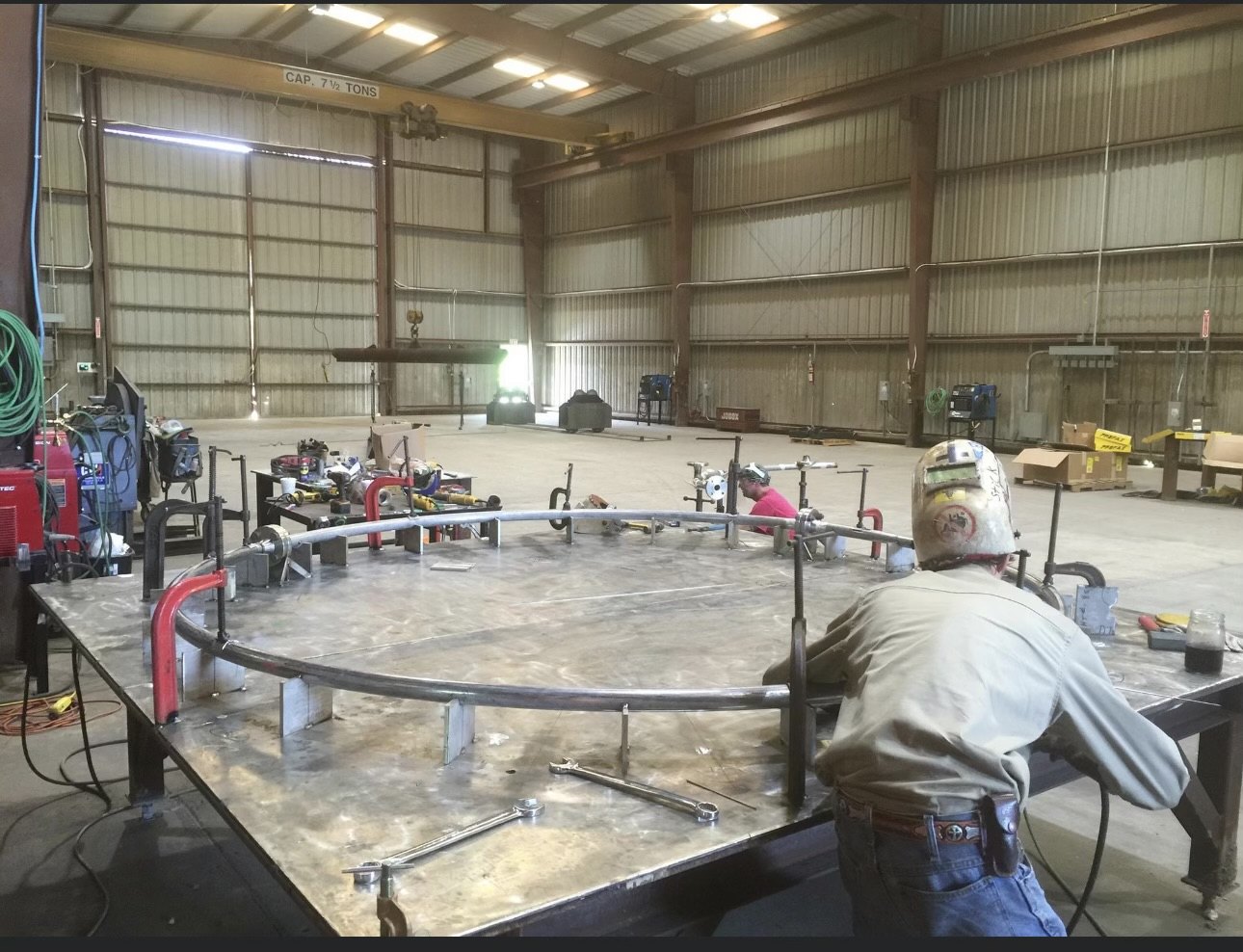
Project-specific brackets, supports, frames, plates, sleeves, and related components based on approved drawings and requirements.
Field Fitting & Welding
Fit-up and welding performed in the field when access, sequence, material condition, and the assigned connection scope require it.
Pipe & Pole Connections
Project-specific steel connections associated with pipe, poles, sign supports, structural members, and specialty installations.
Repairs & Modifications
Cutting, fitting, reinforcement, replacement, and modification work after the existing condition and required repair are verified.
Installation Support
Fabrication coordinated with unloading, staging, lifting, positioning, alignment, access equipment, bolting, and field assembly.
Project-Specific Systems
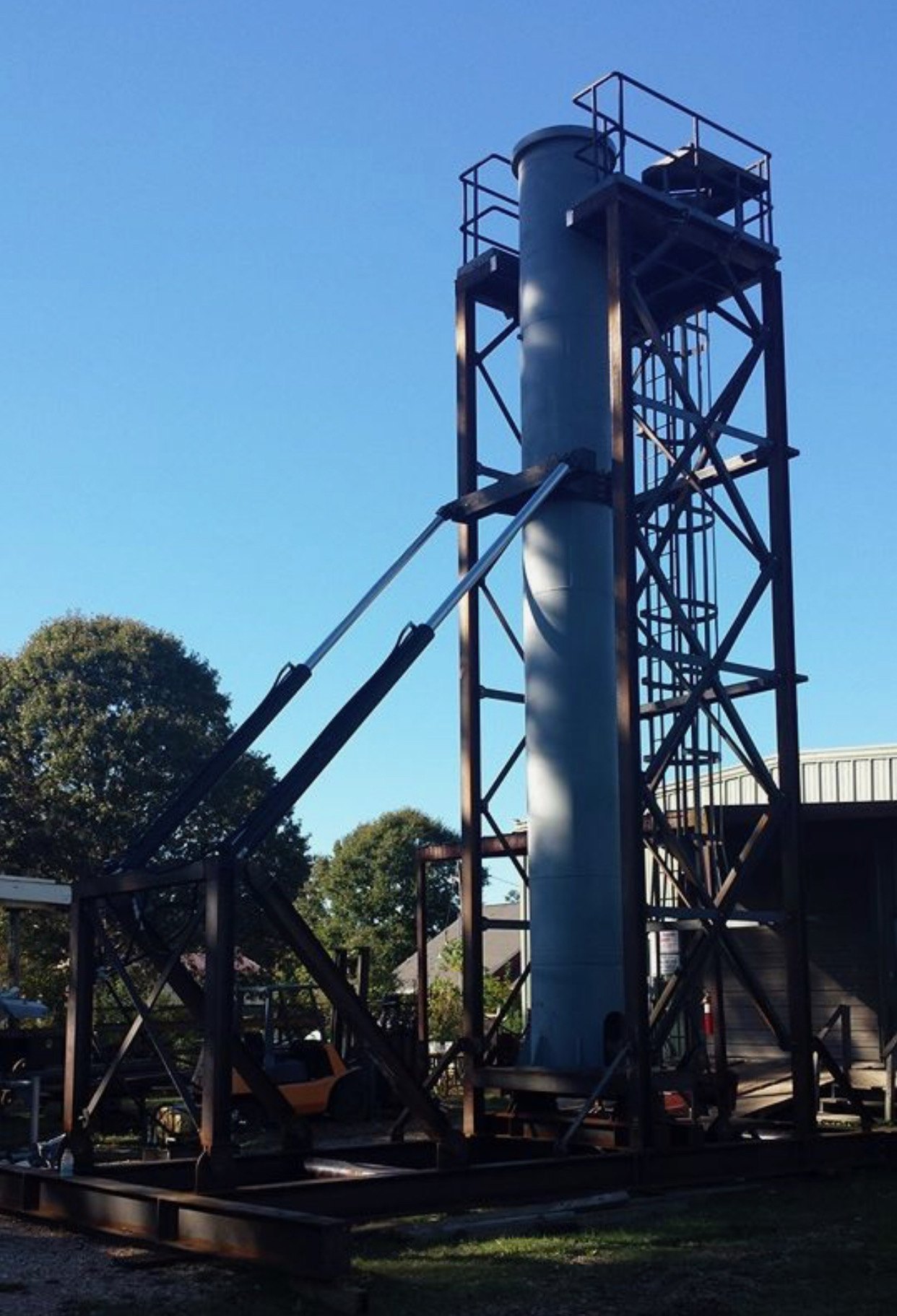
Field-built support items and temporary work systems developed for a defined construction need, such as a project-specific tremie setup.
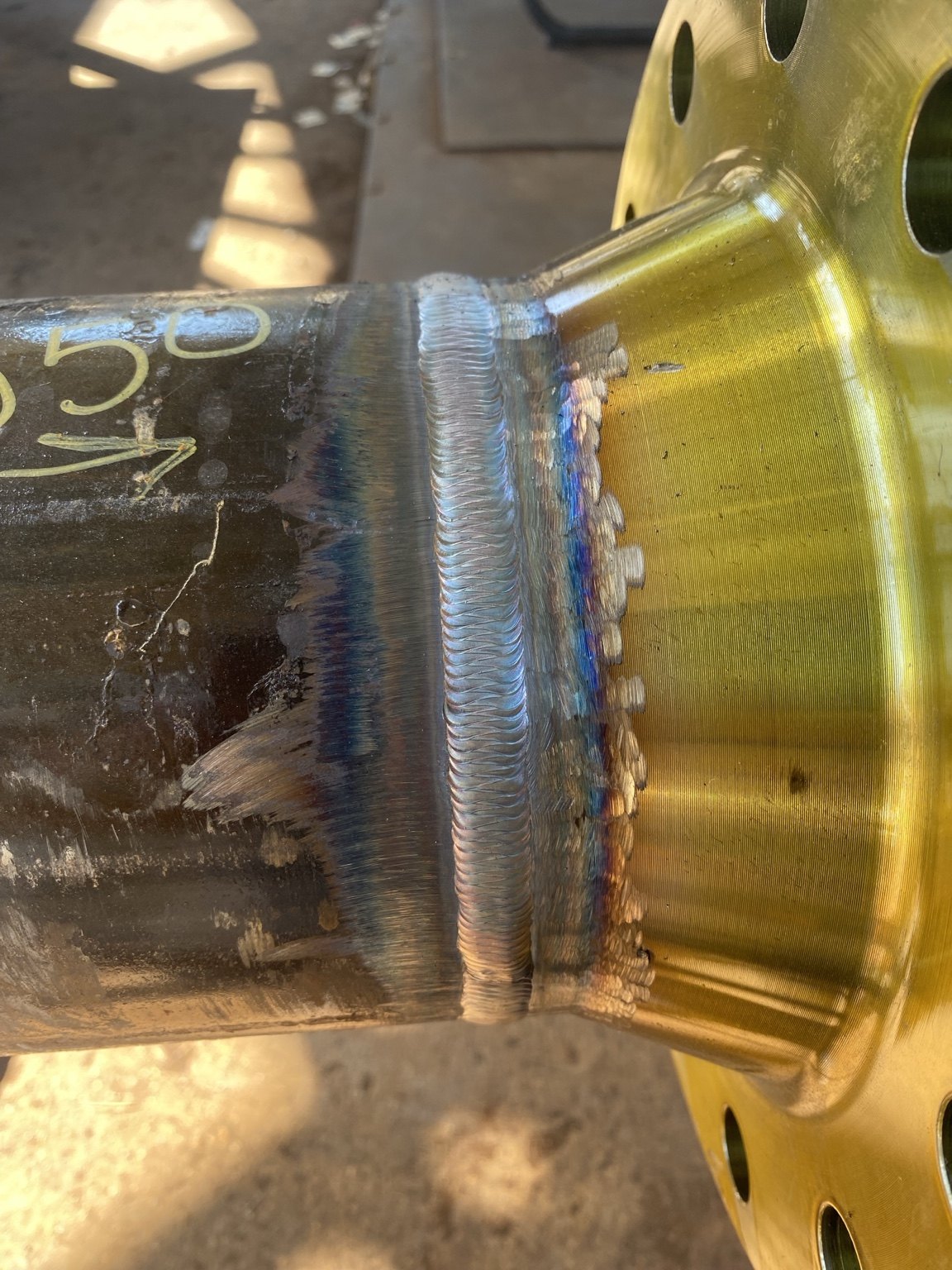
Fabrication & Welding Photos
Steel work, up close.
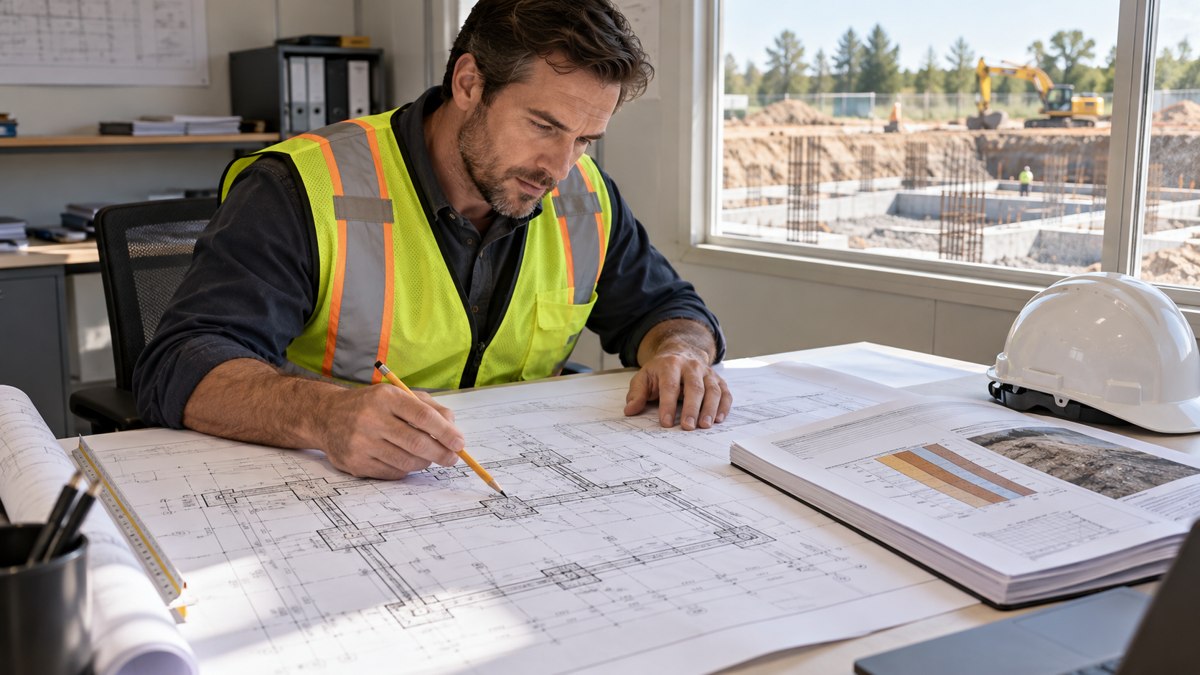
Before Steel Is Cut
Confirm the design basis and connection requirements.
Drawings, materials, weld requirements, tolerances, coatings, inspection, and acceptance must be settled before fabrication or field modification begins.
- 01
Review
Approved drawings, dimensions, materials, connection details, specifications, and responsibility.
- 02
Plan
Shop versus field work, access, fit-up, lifting, temporary support, equipment, and sequence.
- 03
Prepare
Material identification, cutting, layout, surface condition, joint preparation, and work-area controls.
- 04
Fit & Weld
Alignment, support, connection work, heat and fire controls, and changes authorized by the project team.
- 05
Verify & Protect
Specified inspection and testing, including X-rays when required; then material cleaning, protective coating, documentation, and acceptance.
Completed Field-Welding Example
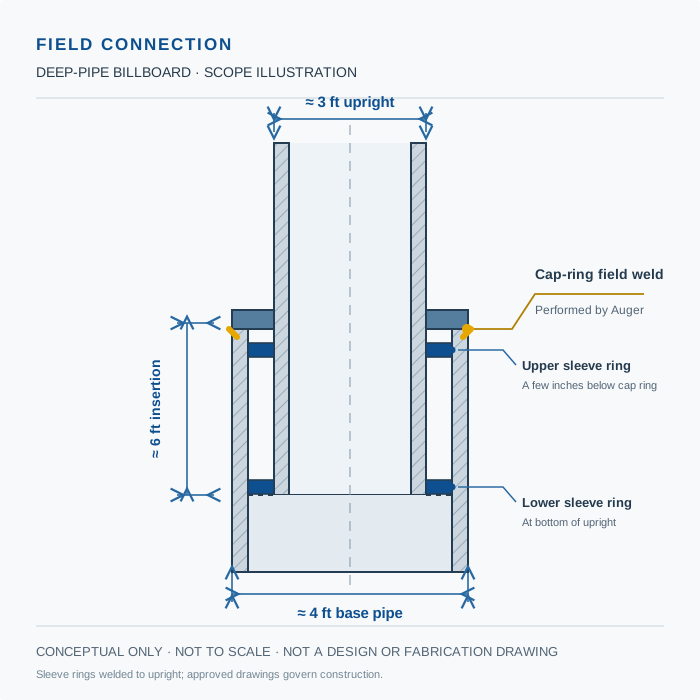
Deep-pipe billboard connection.
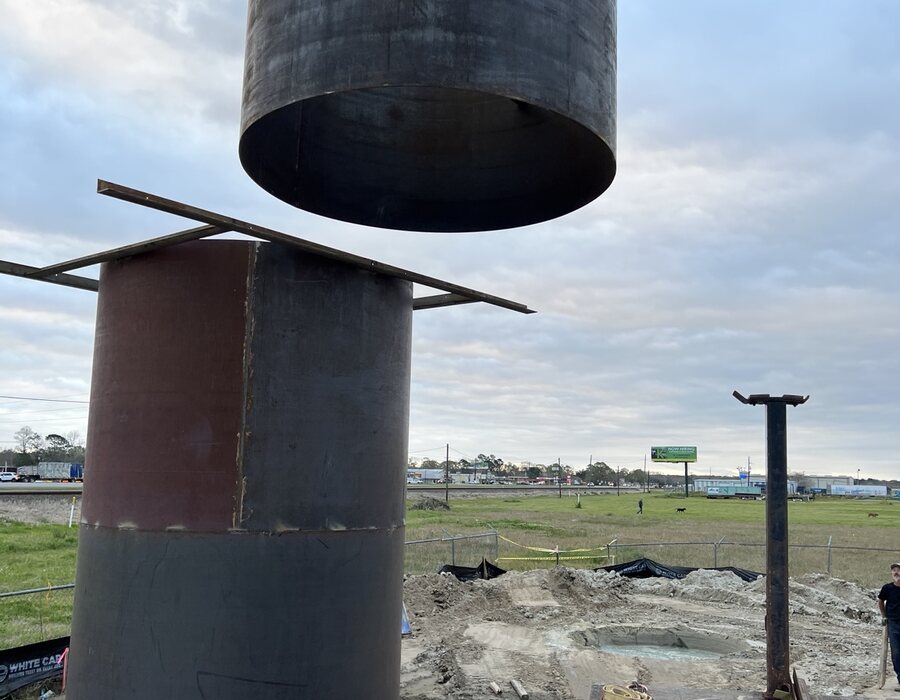
On a New Orleans-area billboard project, Auger installed an approximately 4-ft-diameter base pipe to final depth with a vibratory hammer. An approximately 3-ft-diameter upright was inserted approximately 6 ft into the base pipe.
Auger welded the upright’s cap ring to the larger base pipe using 7018 stick electrodes and supervised the structure’s erection.
Confirmed limitsThe sleeve rings, cap ring, and head plate were attached before delivery. No formal weld-inspection or documented welding-procedure claim is made.
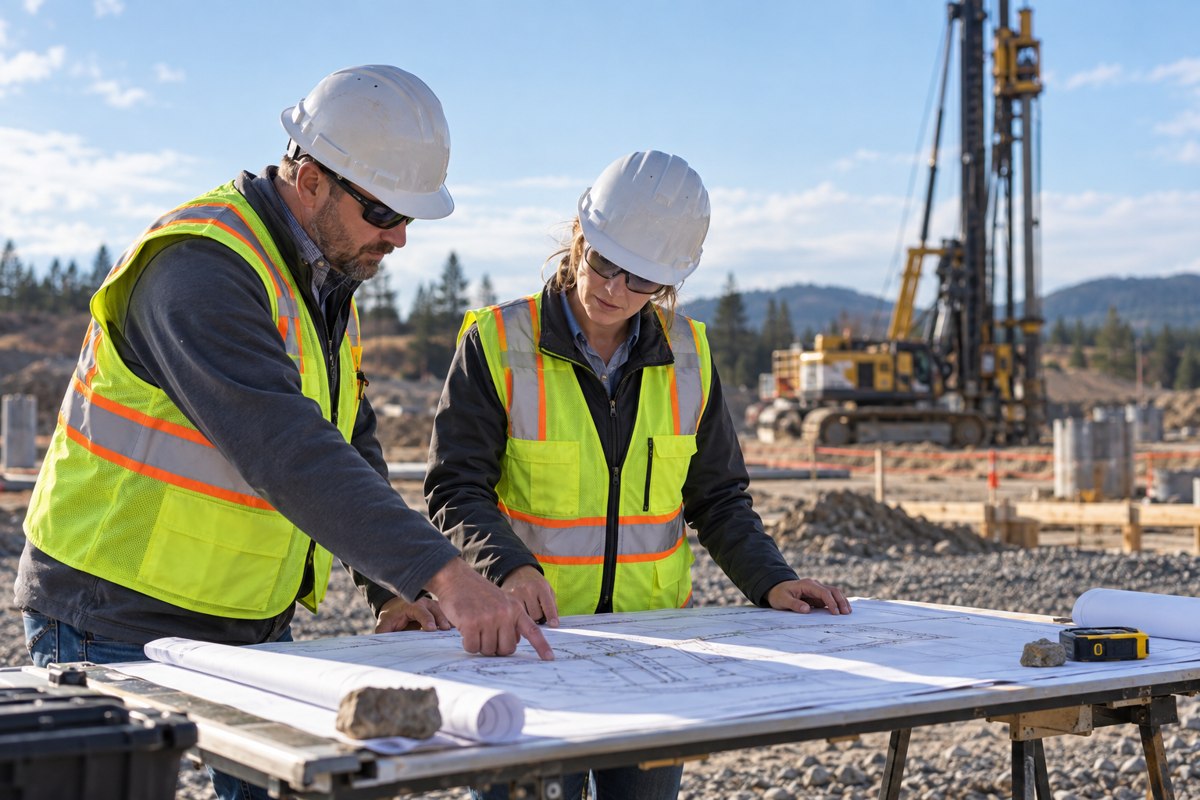
Where Fabrication Supports the Work
Built around the installation.
Each application still requires its own design, materials, connection requirements, inspection criteria, coatings, and division of responsibility.
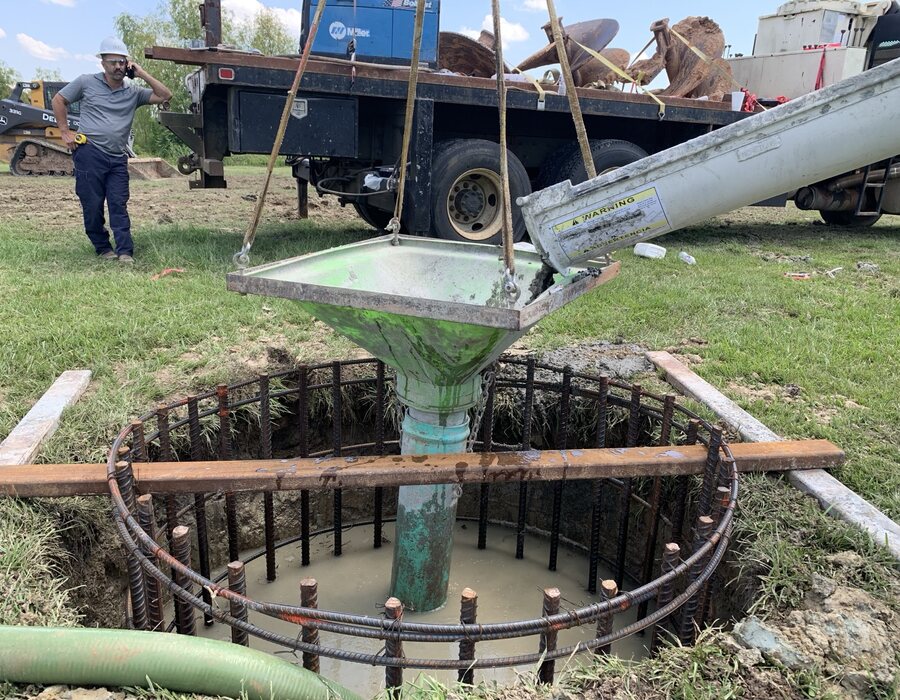
Support frames, embedded-item coordination, project-specific tremie components, lifting aids, and installation-related steel work.
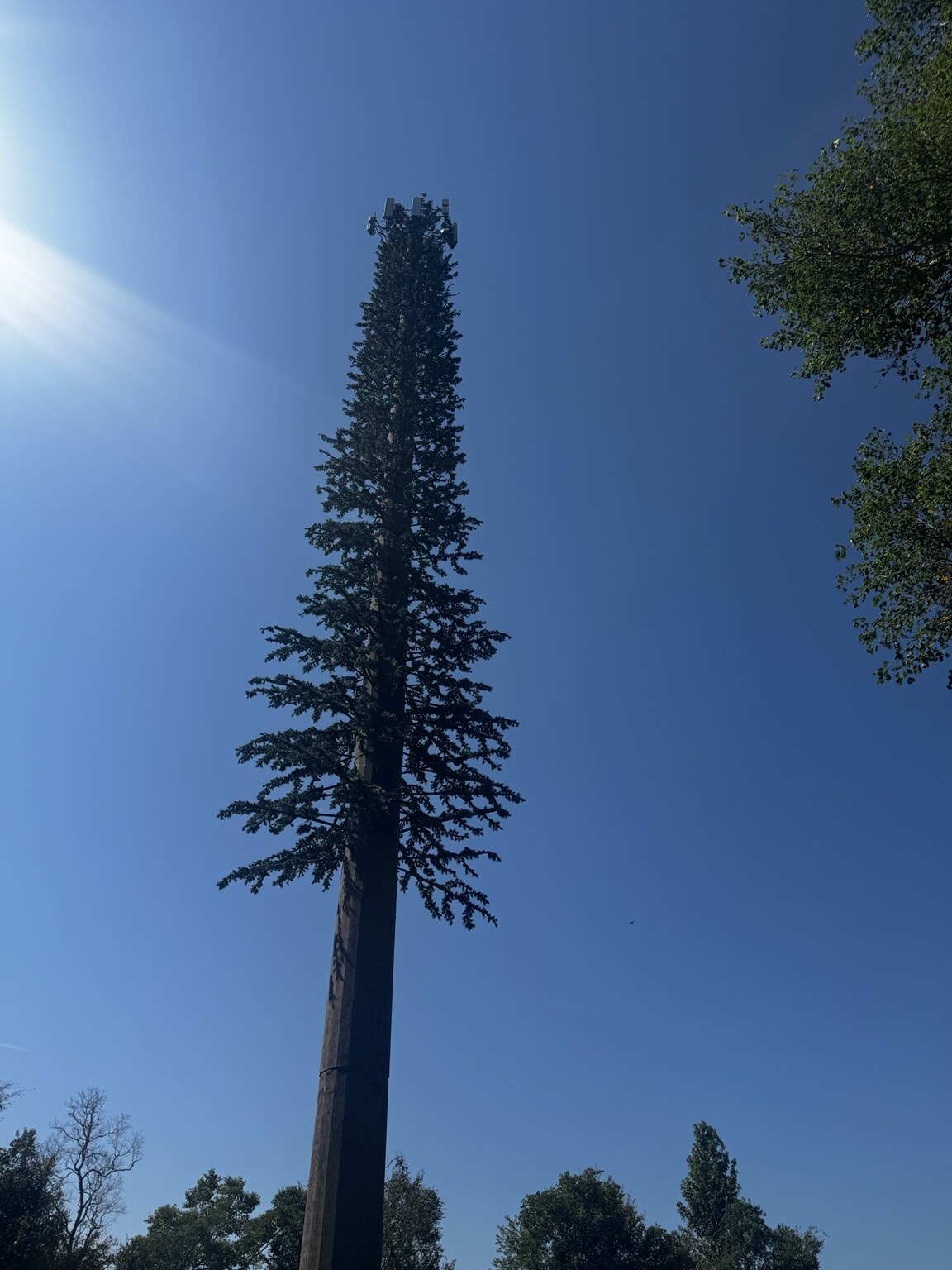
Pipe and pole connections, support components, field fit-up, repairs, modifications, and erection-related steel work when contracted.
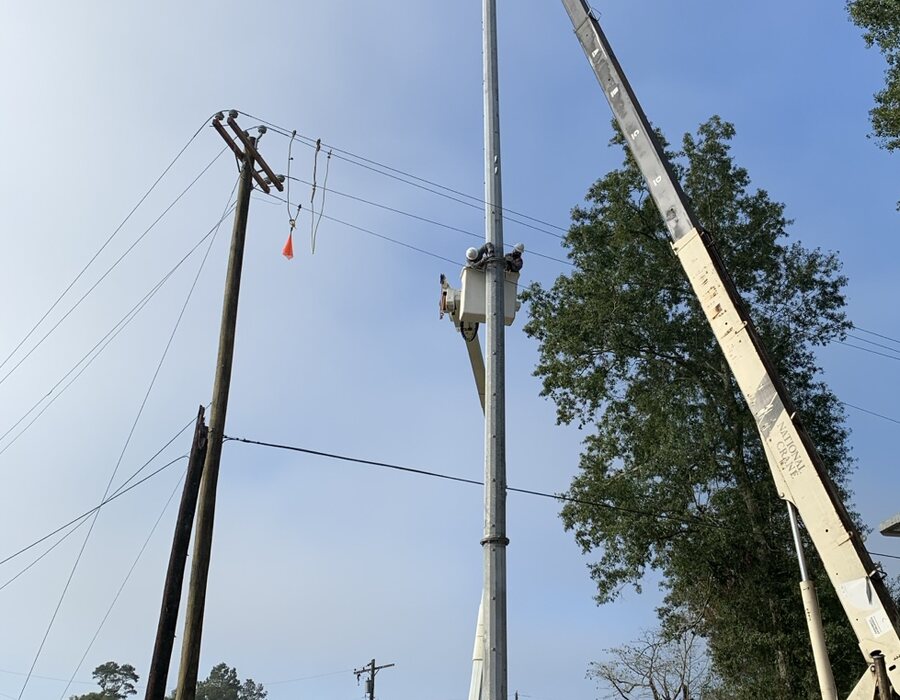
Project-specific steel support tied to foundations, direct-burial structures, lifting, access, and the controlling drawings.
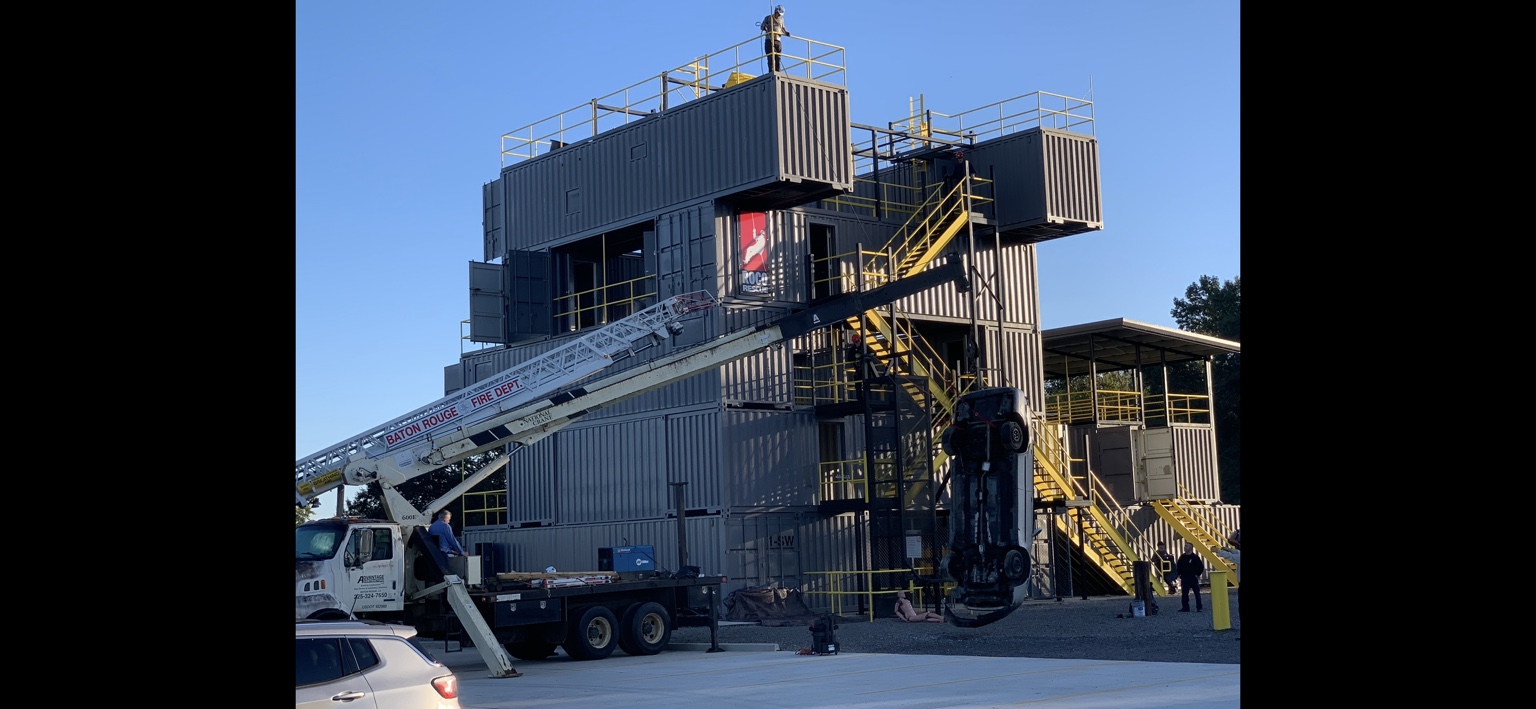
Brackets, frames, temporary support, repair pieces, equipment interfaces, and one-off items for unusual assignments.
Welding & Hot-Work Safety
Control the work area
and the connection.
Welding and fabrication safety depends on the process, material, coatings, location, nearby operations, ventilation, fire exposure, access, lifting, electrical conditions, and inspection requirements.
Material confirmedHot-work controlsVentilationFire watchWork-area isolationInspection assigned
Certification, welding-procedure, special-inspection, nondestructive-testing, engineering, and acceptance requirements are confirmed for each assignment before the work proceeds.
Define the Responsibility Split
Fabrication is not the same as engineering or acceptance.
The proposal should identify who supplies the design, materials, approved changes, inspection, testing, coatings, lifting, installation, and final acceptance.
Questions & Answers
Frequently asked questions
Do you perform both shop and field fabrication?
Yes. Auger evaluates custom steel components, field fitting, welding, connections, and modifications around the project drawings and installation requirements.
How are welding and inspection requirements selected?
The plans, materials, connection details, and specifications determine the required welding process, qualifications, inspection, and testing. Cleaning and protective coatings are included when specified in the contracted scope.
Can you help arrange engineering?
Work is performed from engineer-provided plans. If engineering is needed, Auger can coordinate outside engineering support; the design responsibilities and costs must be defined for the project.
Have a different question? Contact Brad or read the general FAQ.
Request Fabrication Pricing
Send the drawings,
materials, and field conditions.
Complete information helps Auger evaluate fabrication steps, field work, equipment, access, inspection, safety requirements, schedule, exclusions, and pricing.
Include when available
- Approved fabrication or structural drawings
- Dimensions, tolerances, materials, and quantities
- Connection, weld, bolt, and joint requirements
- Applicable specifications and project standards
- Coating, galvanizing, paint, and repair requirements
- Inspection, testing, documentation, and acceptance requirements
- Delivery, access, lifting, staging, and installation responsibilities
- Existing conditions, photographs, schedule, and site-safety requirements