Independently Owned & Operated · Zachary, Louisiana
Built around
difficult work.
Auger Foundation Specialties brings foundation construction, lifting, equipment support, fabrication, demolition, and field problem-solving together for assignments where the conditions and coordination matter as much as the primary task.
FOUNDED DECEMBER 2016FIELD WORK SINCE 2020BASED IN ZACHARY, LOUISIANA
Safety is part of how the company evaluates work.Scope · Access · Utilities · Equipment · Lifting · Personnel · Changing Conditions · Stop-Work Criteria
Safety Approach ↓by Brad Roy
and requirements reviewed
and specialty support
mobilization capability
Company Background
Started with deep foundations.
Expanded across industries.
Auger Foundation Specialties LLC was established in December 2016. Field operations began in 2020, focused primarily on deep foundations and spread footings for all industries.
That work required more than drilling: access, casing and slurry decisions, reinforcing-steel handling, anchor systems, concrete placement, equipment coordination, documentation, and careful separation of each contractor’s responsibility.
As project needs expanded, Auger applied the same scope-first approach to power and utility infrastructure, commercial signs, poles, buildings, demolition, custom fabrication, helical piles, municipal work, equipment services, and unusual specialty assignments.
Monopole erection is performed only when requested and included in the contracted scope. Auger does not present routine full-tower construction, antenna work, RF services, or electrical work as standard company services.
Company Timeline
A focused start.
A broader field capability.
- 2016
Company Established
Auger Foundation Specialties LLC established in December 2016.
- 2020
Field Operations Begin
Work begins with a primary focus on deep foundations and spread footings for all industries.
- Today
Specialty Foundations & Complex Construction
Capabilities now span drilled and helical foundations, infrastructure, poles and signs, fabrication, equipment support, demolition, site preparation, and specialty field work.
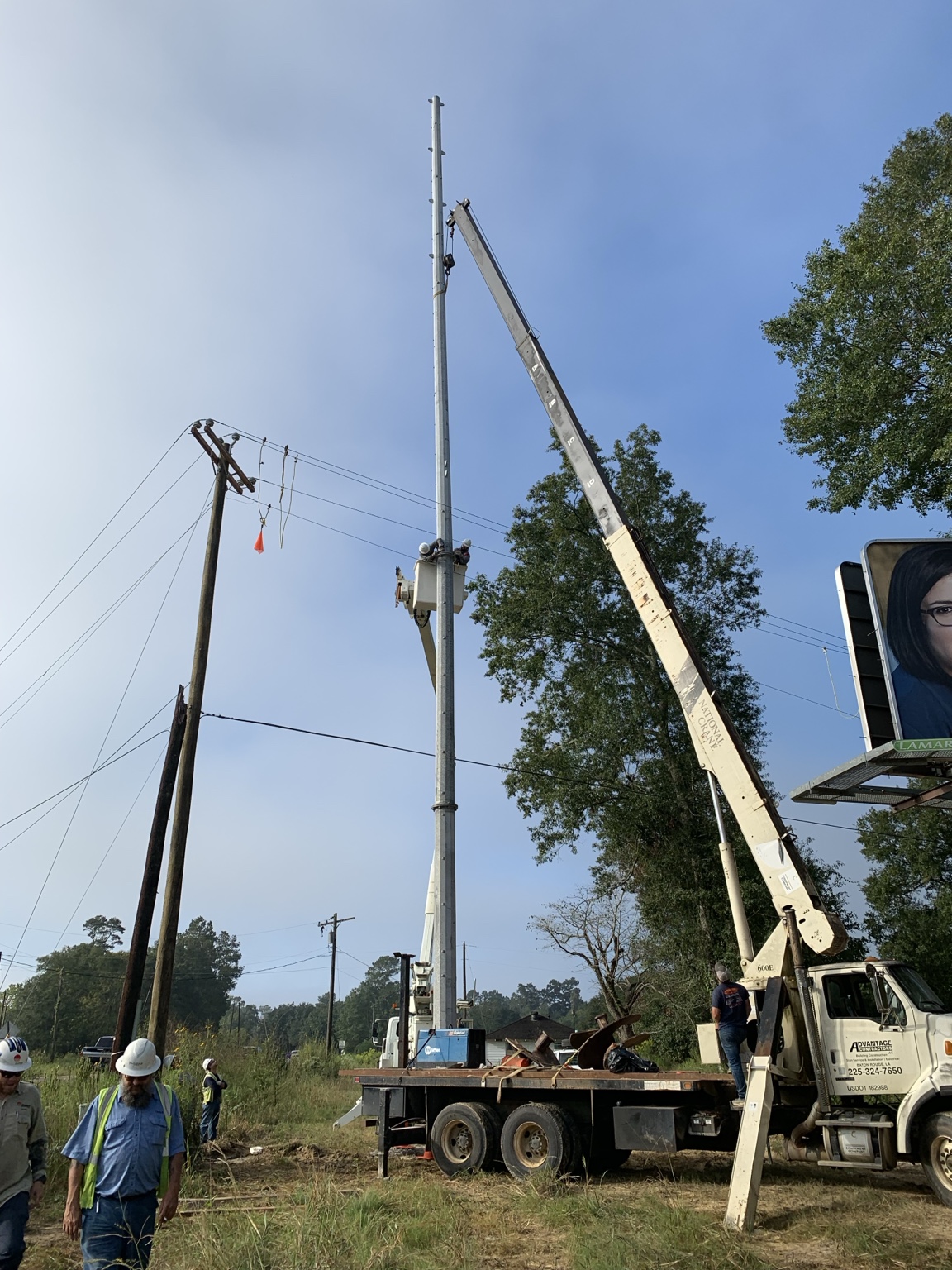
Hands-On Project ReviewScope, conditions, equipment, safety, and execution considered together
Independently Owned & Operated
Direct involvement from the first review forward.
Brad Roy owns and operates Auger Foundation Specialties and remains directly involved in evaluating opportunities, clarifying scope, planning field execution, coordinating resources, and addressing conditions as work develops.
The company structure keeps decisions close to the work while allowing project-specific crews, equipment, subcontractors, vendors, engineers, inspectors, testing agencies, and other qualified resources to be coordinated when the assignment requires them.
No inflated organization chart.Project responsibility is defined by the accepted proposal and the people actually assigned to the work—not by marketing language.
How Auger Approaches Work
Understand the assignment
before choosing the method.
The project is evaluated as a connected system of scope, site conditions, equipment, people, other trades, documentation, schedule, and final acceptance.
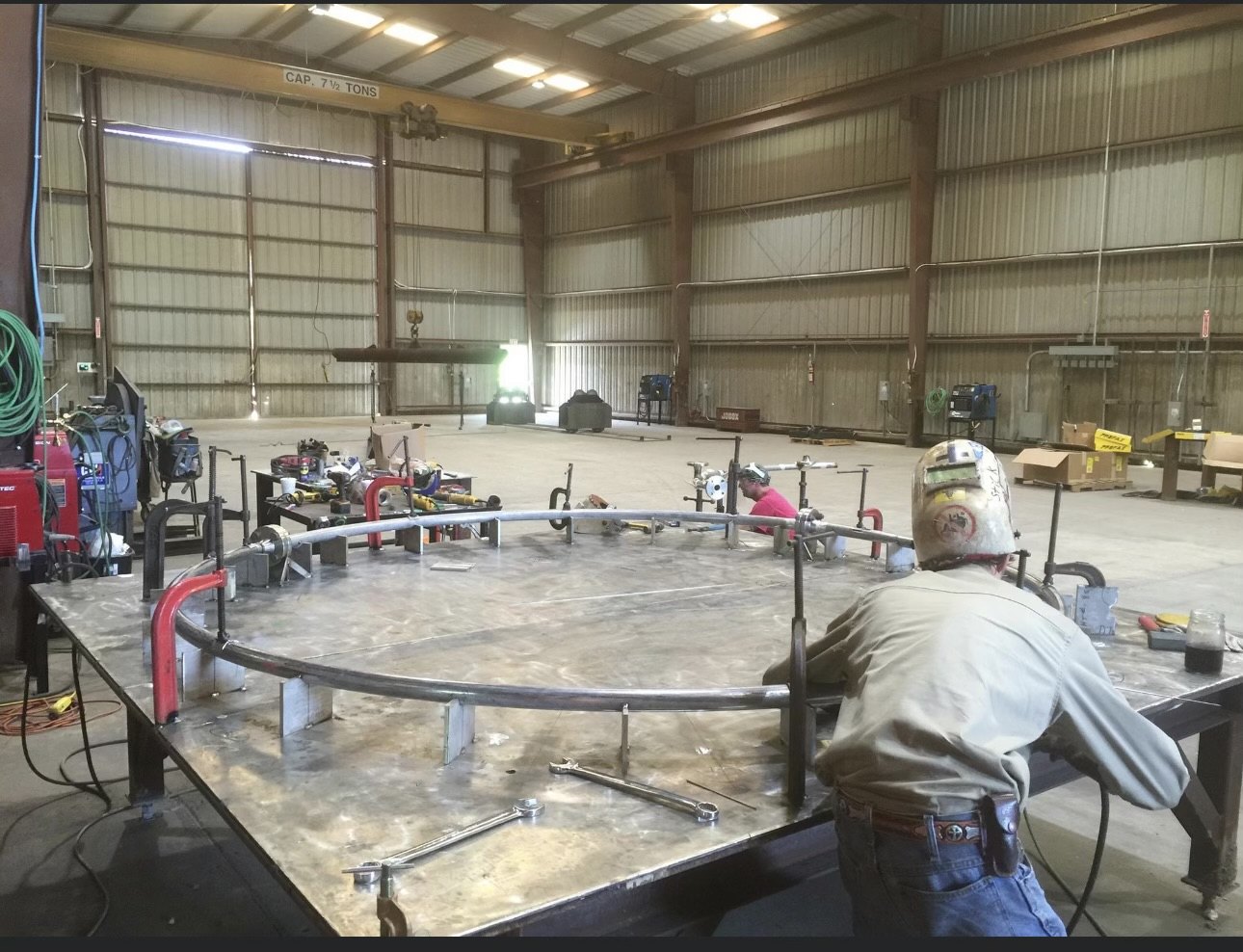
Define the Scope
Identify what Auger will furnish, install, handle, support, coordinate, or supervise—and what remains with others.
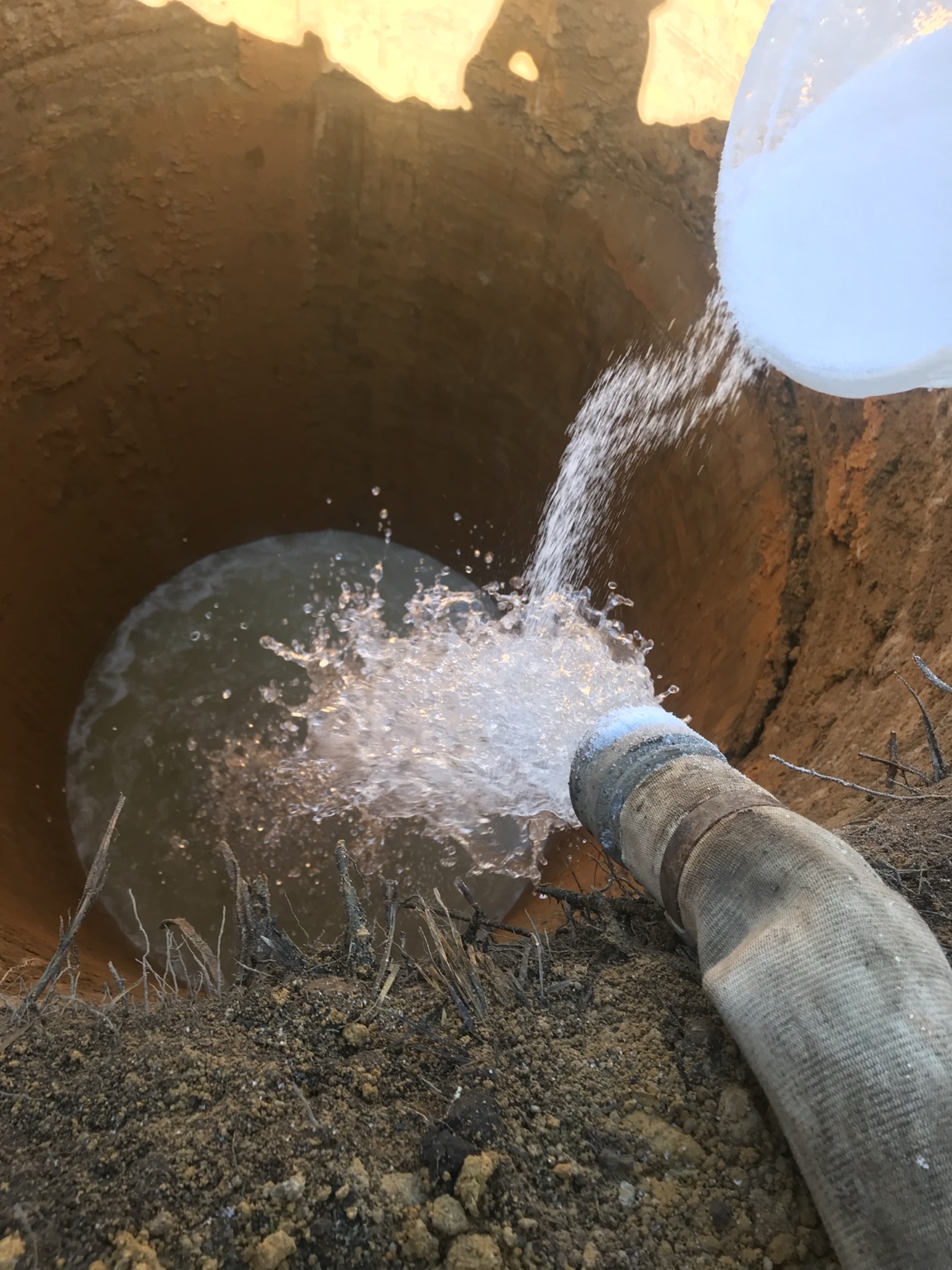
Study the Conditions
Review plans, specifications, geotechnical information, utilities, access, clearances, schedule, and operating restrictions.
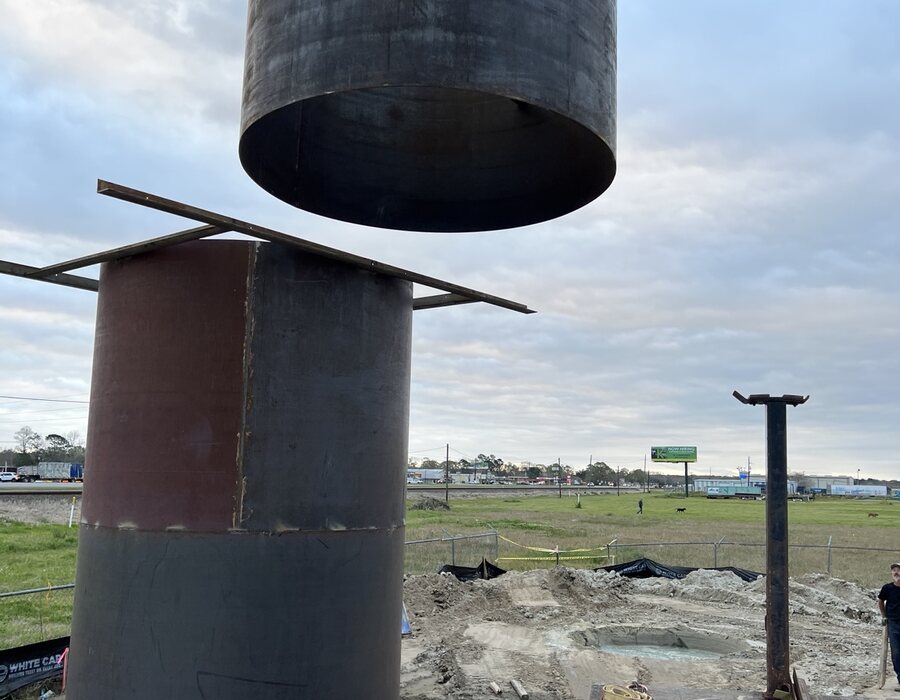
Match the Resources
Select the drilling method, equipment, lifting support, crew, material flow, and outside resources needed for the assignment.
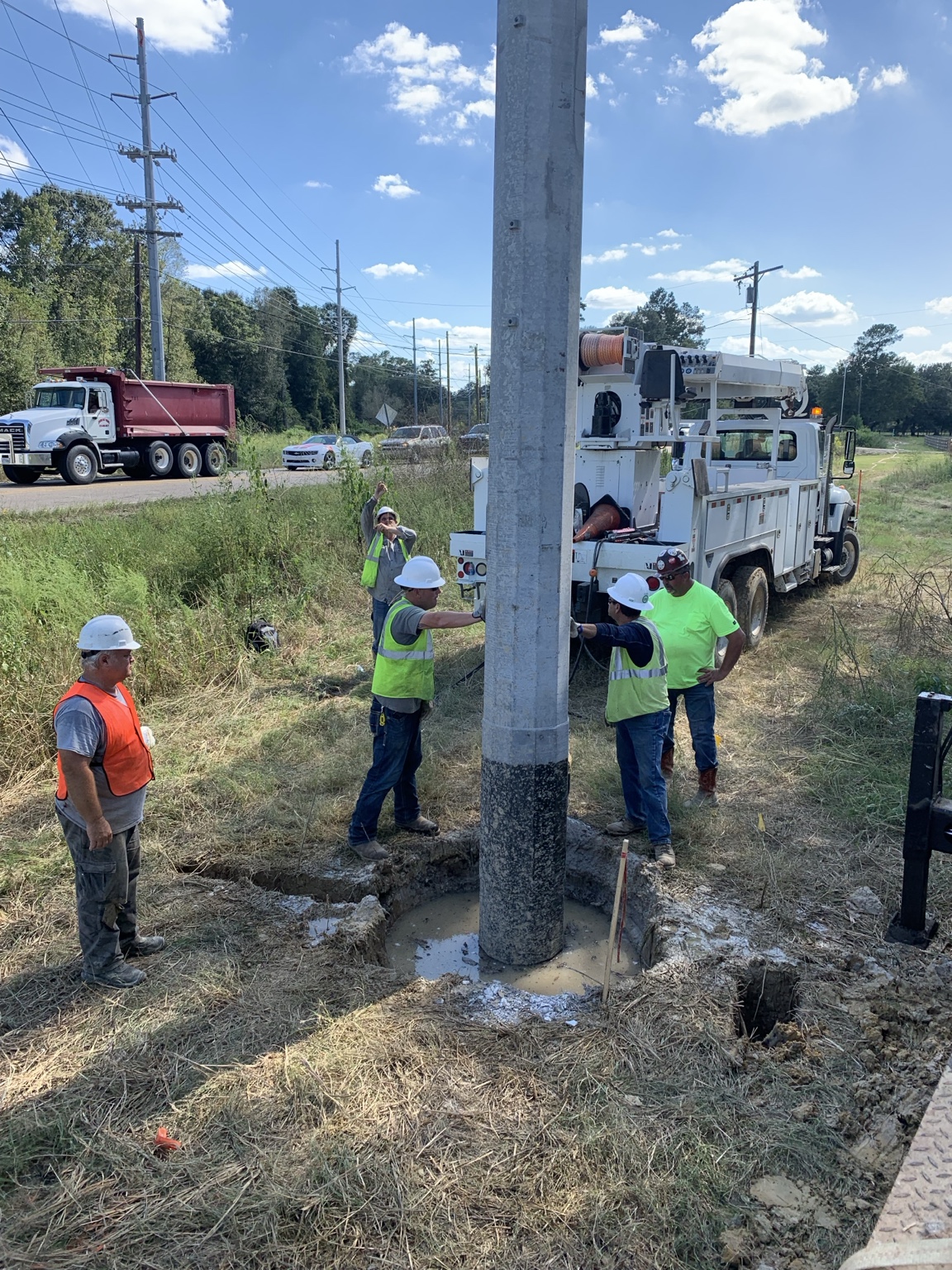
Plan the Safety Controls
Connect hazards and changing conditions to equipment positions, travel paths, exclusion zones, communication, and work authority.
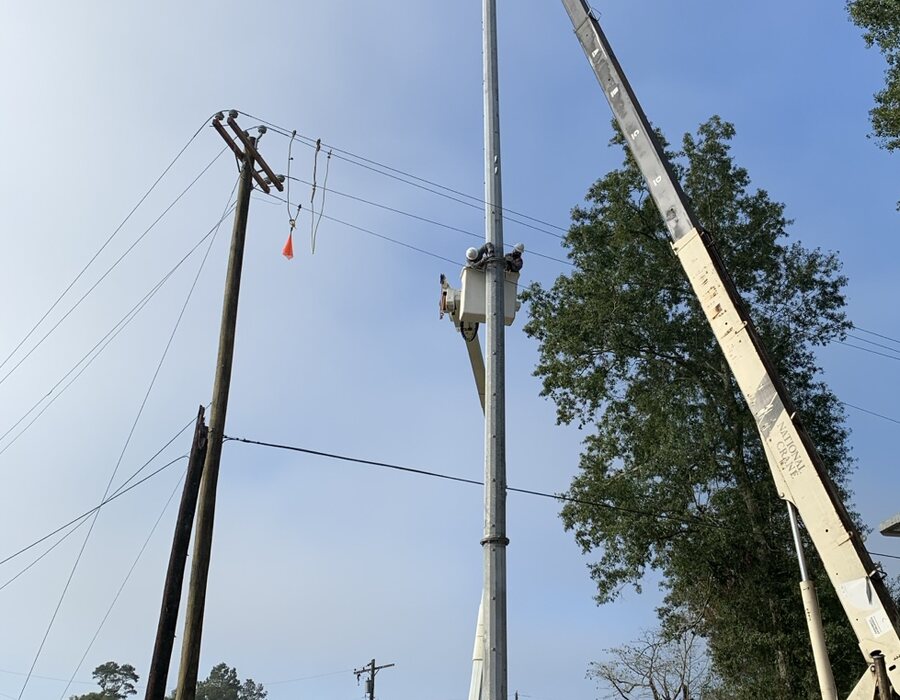
Execute & Adjust
Coordinate the sequence, document required information, and stop or revise the plan when conditions do not support the intended method.
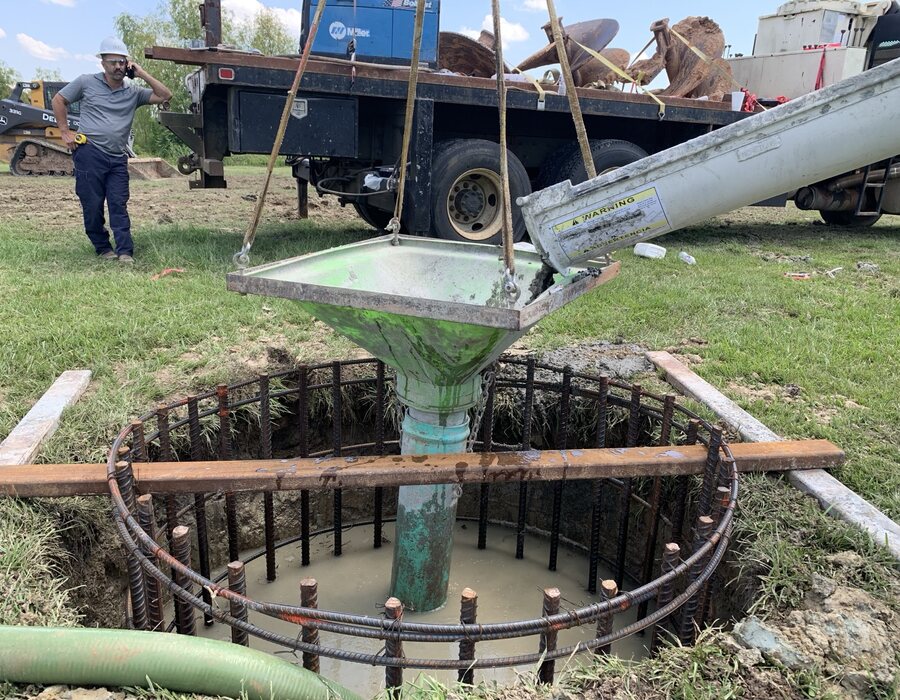
Finish the Assigned Work
Complete the defined placement, removal, cleanup, restoration, documentation, testing support, or closeout responsibilities.
Who Auger Works With
Different customers.
The same need for clear scope.
Auger works on public and private projects and may serve as a general contractor or subcontractor, depending on the assignment, project requirements, and accepted contract.
Engineering & Professional Services
Build from the approved design.
Auger performs construction from engineer-provided plans. When a project requires engineering that has not yet been provided, Auger can coordinate an independent professional without implying in-house design or stamping authority.
Service Area
Based in Louisiana.
Mobilized for the right project.
Auger is based in Zachary, Louisiana and evaluates work across the region. Farther mobilization is considered when the scope justifies it and licensing, insurance, schedule, and mobilization requirements can be satisfied.
LouisianaMississippiTexasAlabamaFloridaArkansasTennesseeNew MexicoFarther when the project warrants review
Company Safety Approach
Safety begins with
understanding the work.
Auger evaluates safety together with scope, access, utilities, equipment, lifting, ground conditions, personnel, surrounding operations, weather, schedule, and the sequence of work. Controls must match the actual assignment rather than rely on a generic statement.
Scope authoritySite-specific hazardsEquipment & accessClear communicationChanging conditionsStop-work authority
Written job-safety analyses and site-specific safety plans are developed when required by the customer, controlling contractor, site, or conditions. Qualifications and procedures are confirmed for each project; no incident statistic is used as a substitute for planning.
Questions & Answers
Frequently asked questions
How far will Auger travel?
Auger is based in Zachary, Louisiana, and evaluates work in Louisiana, Mississippi, Alabama, Texas, Arkansas, Tennessee, and New Mexico. Farther mobilization can be considered when the scope and schedule justify it. Availability depends on the project requirements.
Can you help arrange engineering?
Work is performed from engineer-provided plans. If engineering is needed, Auger can coordinate outside engineering support; the design responsibilities and costs must be defined for the project.
Do you accept residential work?
Yes. Commercial, infrastructure, and specialty work are the main focus, but residential demolition, drilled shafts, and helical-pile assignments can be considered.
Have a different question? Contact Brad or read the general FAQ.
Start With the Project
Send the scope,
plans, and site conditions.
Auger will review the requested work and identify the additional information needed to evaluate capability, responsibilities, equipment, schedule, safety requirements, exclusions, and pricing.
Include when available
- Project location and requested schedule
- Plans, specifications, details, and addenda
- Geotechnical and existing-condition information
- Requested scope and division of responsibility
- Access, utilities, clearances, and operating restrictions
- Equipment, lifting, material, testing, and inspection requirements
- Customer, facility, and site-specific safety requirements
- Cleanup, restoration, documentation, and acceptance requirements