
Operator-Supported Equipment · Planned Around the Work
Matched to
the assignment.
Drilling, lifting, material handling, pole and steel support, and specialty field equipment coordinated with the crew, site conditions, access, load, working radius, and defined scope.
Equipment safety begins before setup.Ground Conditions · Utilities · Clearances · Load & Radius · Work Zones · Communication · Stop-Work Criteria
Equipment Safety ↓Equipment & Field Support
Capability connected
to a work plan.
Auger provides equipment as part of an operator-supported field service. Equipment, attachments, support systems, crew requirements, and availability are evaluated for the actual assignment.
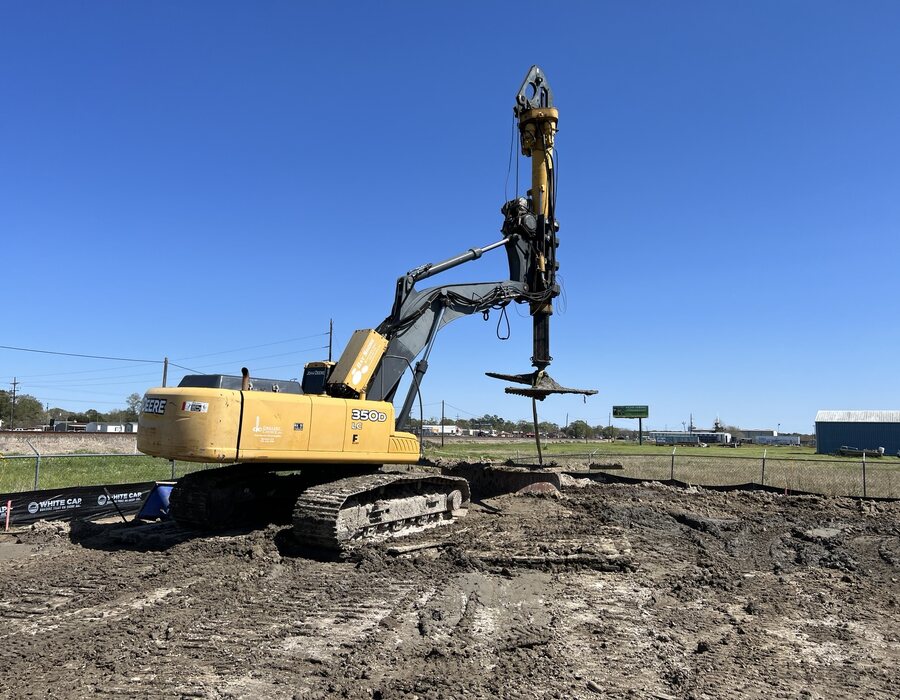
LoDril DH60
Mounted on a John Deere 350 with a 10,000-lb counterweight for large commercial and specialty-foundation work.
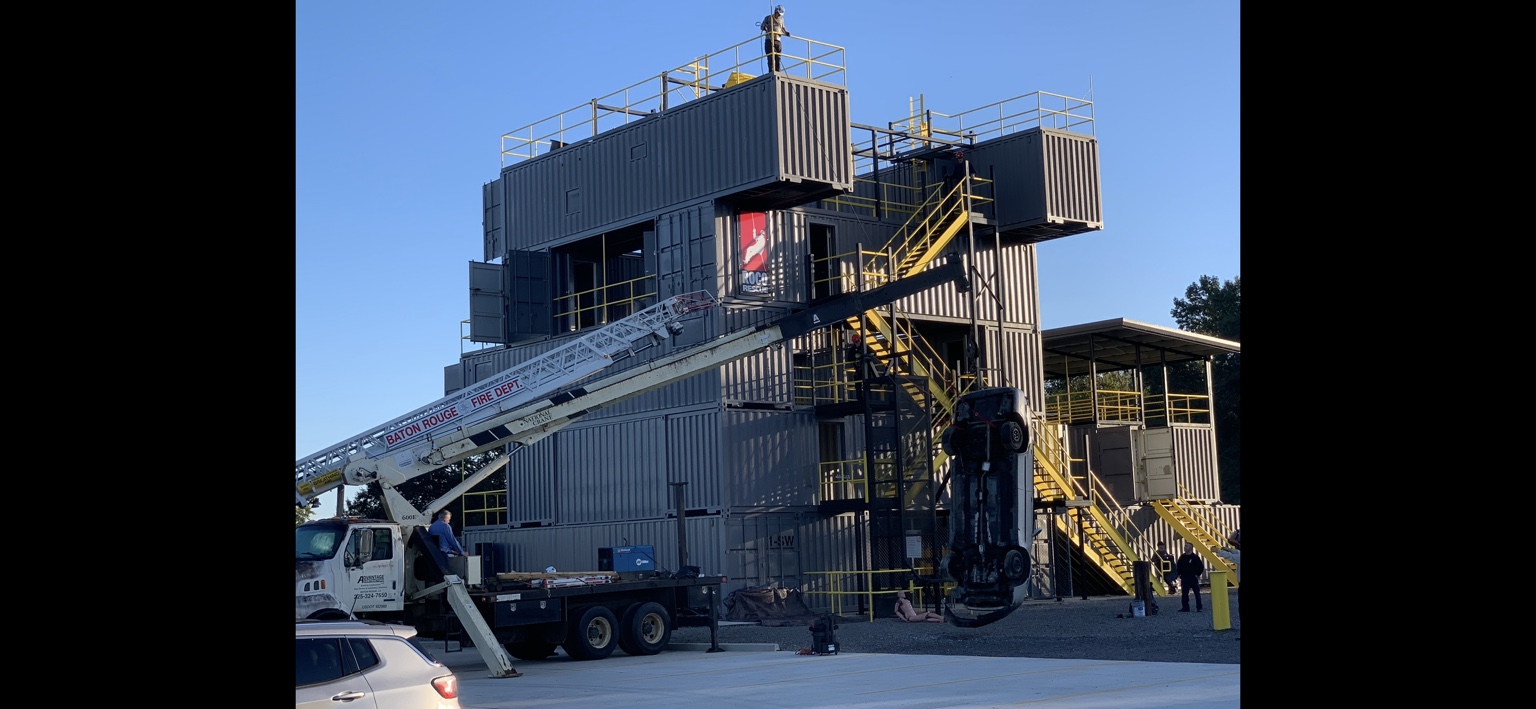
20-Ton National Boom Truck
Company-owned crane support for reinforcing-steel handling, tremie support, steel and pole handling, specialty lifting, and controlled removal.
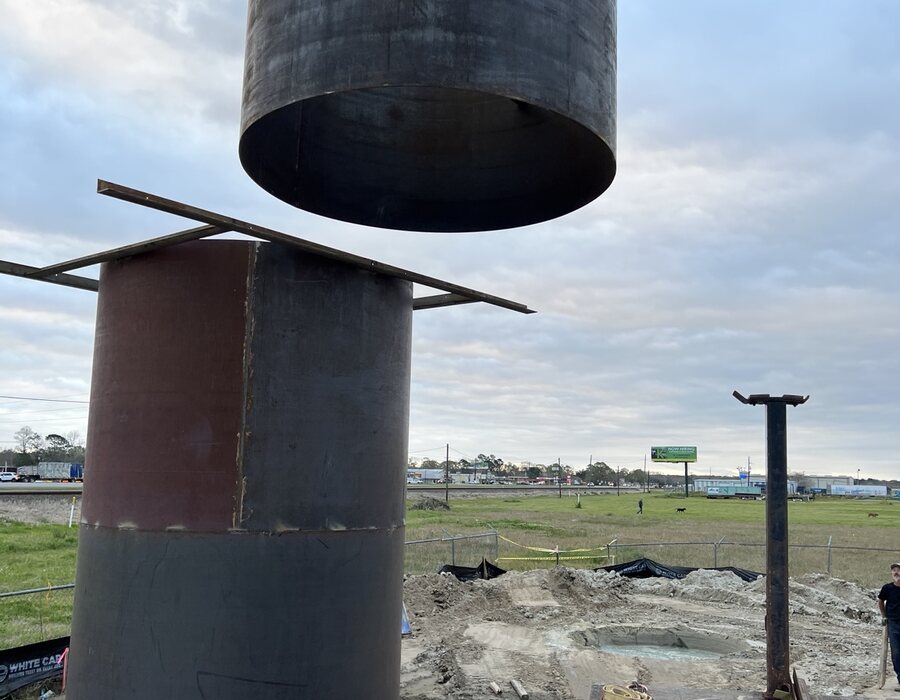
Drilling & Tooling Support
Drilling equipment, tooling, casing, excavation support, and related resources selected for the foundation and field conditions.
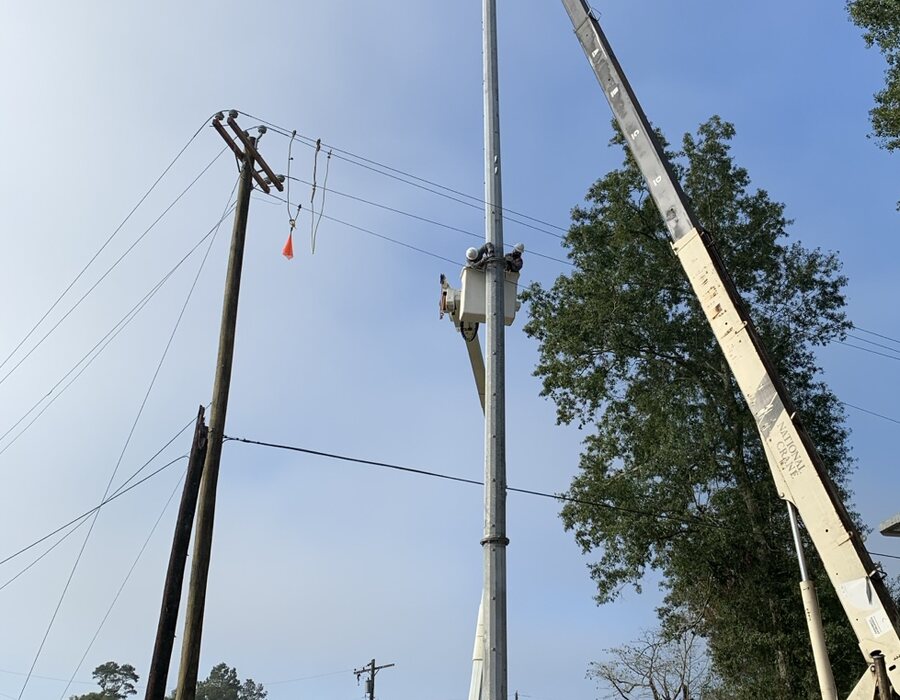
Lifting & Material Handling
Operator-supported lifting, unloading, staging, positioning, and handling after weights, dimensions, lift points, radius, rigging, and access are reviewed.
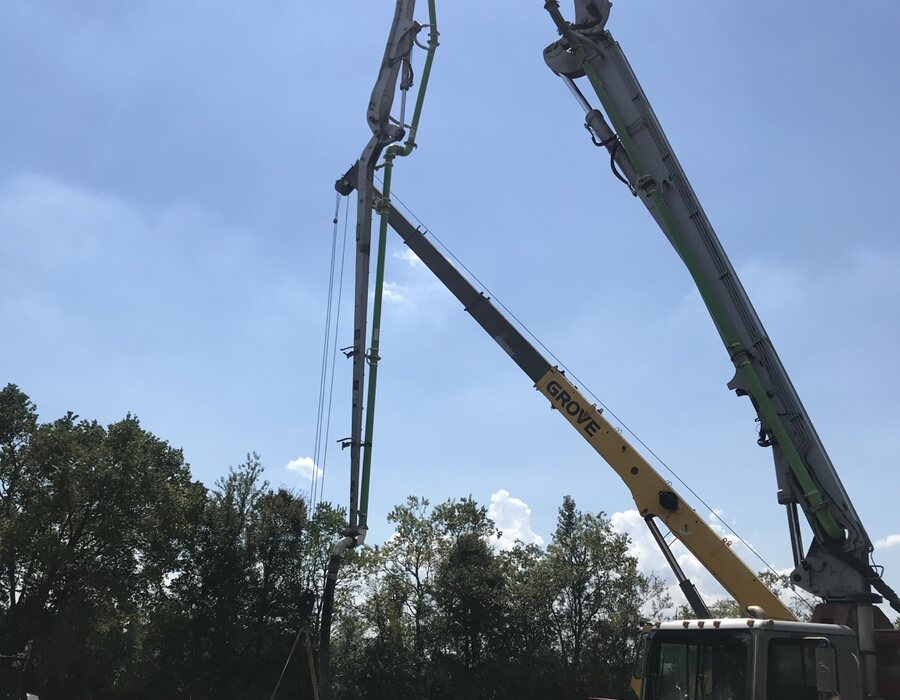
Concrete Placement Support
Tremie pipe, pump coordination, excavation support, and placement-related equipment organized around the approved method.
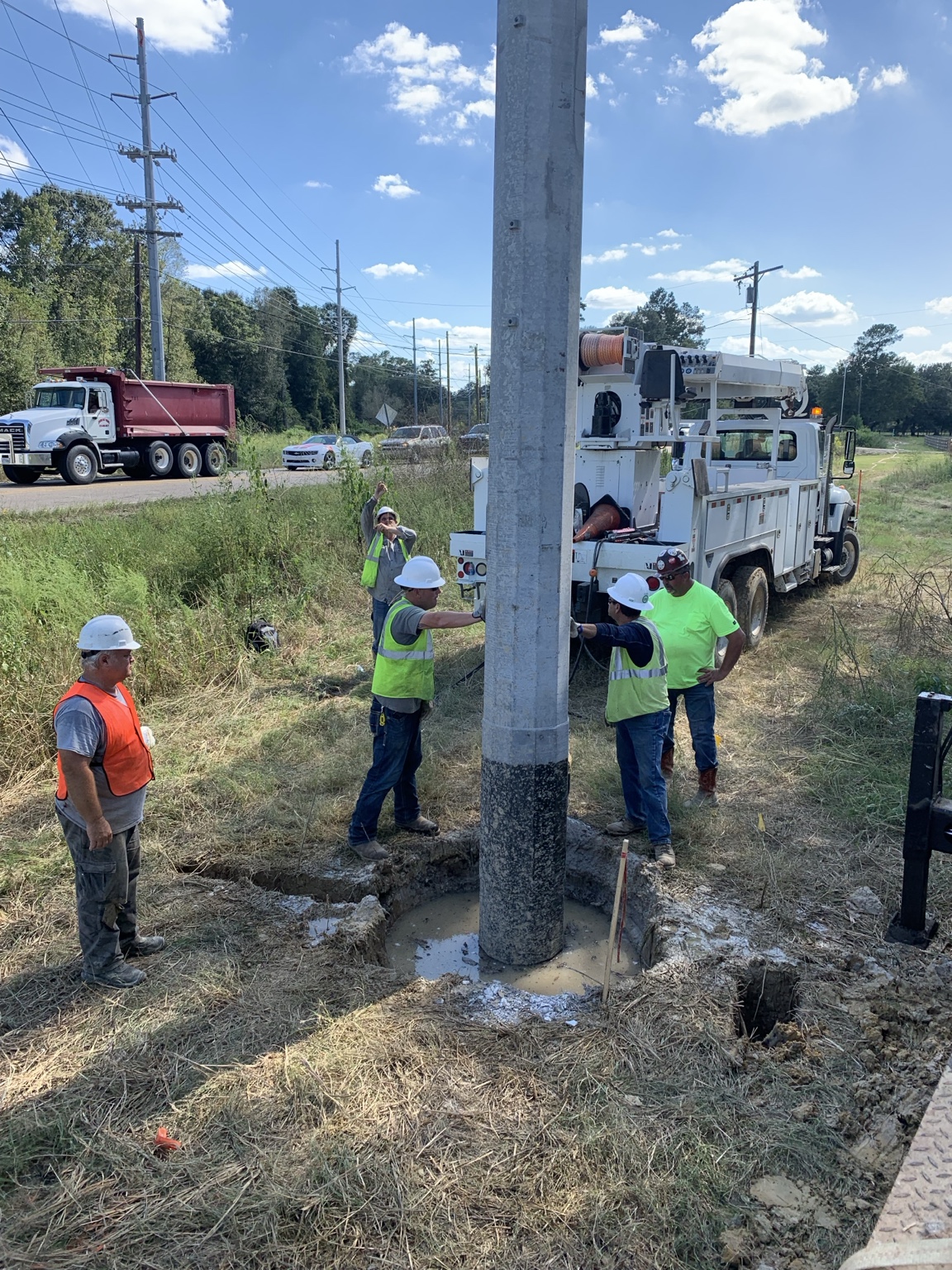
Access & Support Resources
Personnel access equipment, trailers, pumps, cutting equipment, attachments, and other resources arranged when the project requires them.
Define the Resource
Not an unrestricted
equipment-rental list.
This service is built around an accepted construction or field-support scope. The proposal identifies the equipment, operator, crew, support systems, responsibilities, exclusions, and schedule.
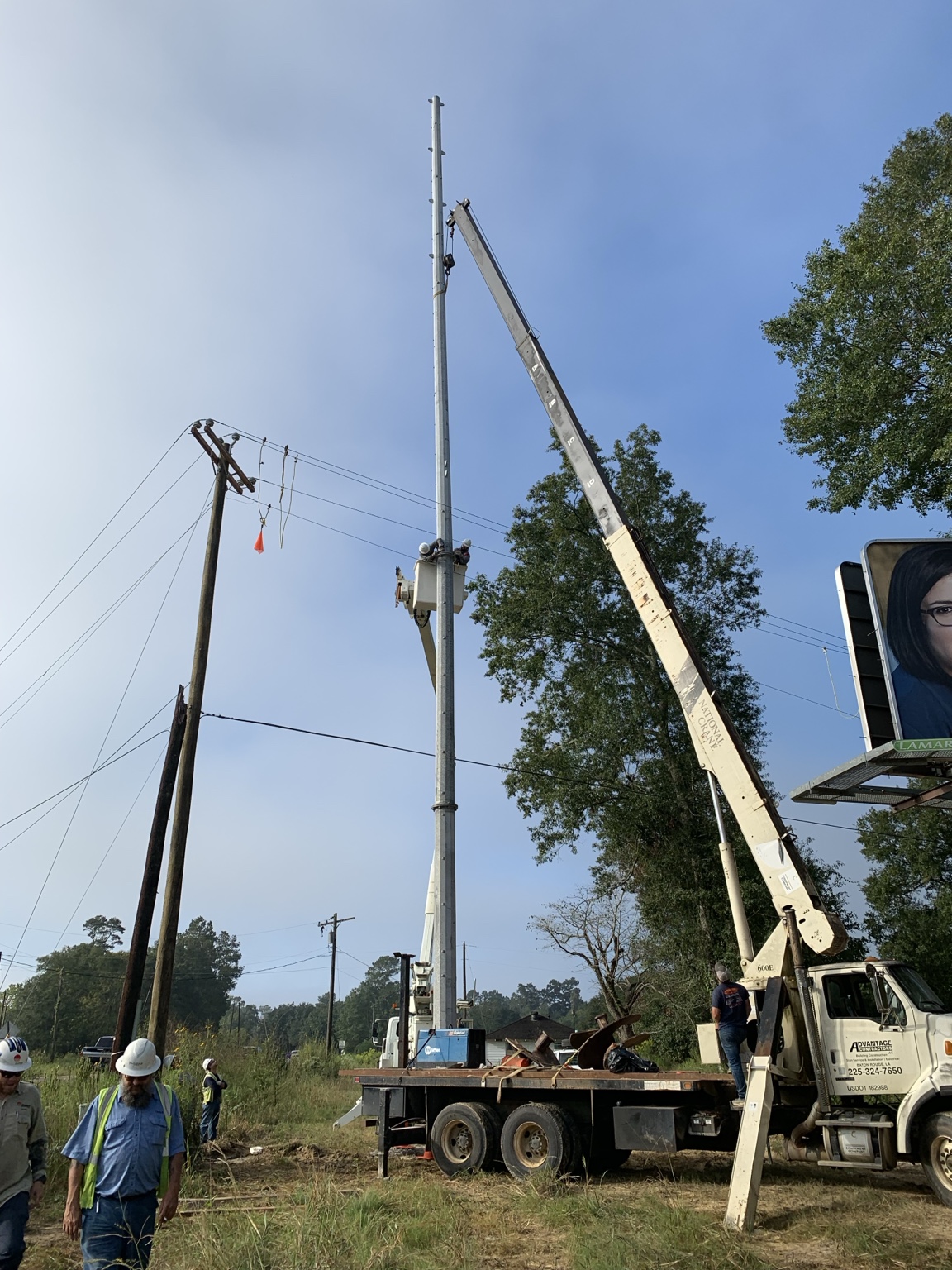
Equipment + Crew + SequenceEvaluated as one field plan
How Equipment Is Selected
The machine must fit
the conditions.
- 01Task & Assigned Scope
Define what must be drilled, lifted, handled, positioned, supported, removed, or hauled—and who controls each step.
- 02Load & Working Radius
Confirm weights, geometry, center of gravity, lift points, rigging, reach, clearances, and setup position.
- 03Ground & Access
Evaluate travel routes, working space, grades, bearing conditions, underground features, and restoration requirements.
- 04People & Work Zone
Plan qualified operators, communication, access control, exclusion areas, adjacent operations, and emergency response.
- 05Support Systems
Coordinate tooling, casing, slurry, pumps, tremie, trailers, access equipment, cutting equipment, and other project resources.
Representative Uses
Field support where
equipment and execution meet.
These are representative applications—not a promise that every item or service is available for every site, load, or schedule.
Drilling, casing, reinforcement handling, tremie support, concrete-placement coordination, and foundation-related material handling.
Unloading, staging, lifting, alignment support, positioning, and setting assistance within the accepted scope.
Project-specific lifting and placement after the load, radius, rigging, access, ground support, and surrounding operations are evaluated.
Equipment support for dismantling, sectional lowering, loading, hauling, and site cleanup when included in the removal plan.
Equipment Safety
Control the setup.
Control the work zone.
Equipment planning addresses ground support, travel paths, utilities, clearances, load and radius, rigging, inspections, operator qualifications, communication, exclusion zones, personnel access, weather, surrounding operations, and changing conditions.
Ground supportUtilities & clearancesLoad & radiusControlled work zoneQualified operationStop-work authority
Personnel lifting, crane work, specialty attachments, and work around utilities or active operations require project-specific review. Prior project use does not establish universal suitability or capacity.
Questions & Answers
Frequently asked questions
Are equipment services supplied with an operator?
The services described here are operator-supported field assignments. Equipment, personnel, mobilization, and responsibilities are defined around the work being requested.
How do you select equipment for a job?
Selection depends on the scope, ground conditions, access, loads, reach, working radius, clearances, and surrounding operations. Different rigs, cranes, loaders, access equipment, and specialized resources may be needed.
What details are needed for a lifting request?
Provide the item’s weight and dimensions, pickup and placement locations, reach and height, ground and access conditions, available rigging information, and known site restrictions.
Have a different question? Contact Brad or read the general FAQ.
Request Equipment-Service Pricing
Send the task,
load, and site information.
Complete information helps Auger evaluate equipment suitability, operators and crew, support resources, access, setup, schedule, exclusions, safety requirements, and pricing.
Include when available
- Requested work and division of responsibility
- Drawings, photographs, and project location
- Weights, dimensions, center of gravity, and lift points
- Required reach, working radius, height, and clearances
- Access routes, setup area, slopes, and ground conditions
- Underground and overhead utility information
- Rigging, attachments, tooling, and support-system requirements
- Schedule, operating restrictions, permits, and site-safety requirements