
Controlled Removal · Material Flow · Defined Final Condition
Take it down.
Finish the site.
House and structure demolition, metal-building dismantling, sign removal, slab and foundation removal, hauling, recycling, and cleanup planned around the actual structure, site, and required result.
STRUCTURE→SEQUENCE→MATERIAL→FINAL CONDITION
Demolition changes the structure with every step.Utility Status · Stability · Access · Cutting · Lifting · Exclusion Zones · Material Path · Stop-Work Criteria
Demolition Safety ↓when the structure requires it
hauling, and cleanup when scoped
and owner-retained material
grading, and restoration clarified
Demolition Capabilities
Removal begins with
what must remain.
The proposal defines the limits of demolition, protected property, material ownership, utilities, permits, below-grade work, hauling, disposal, restoration, and final acceptance.
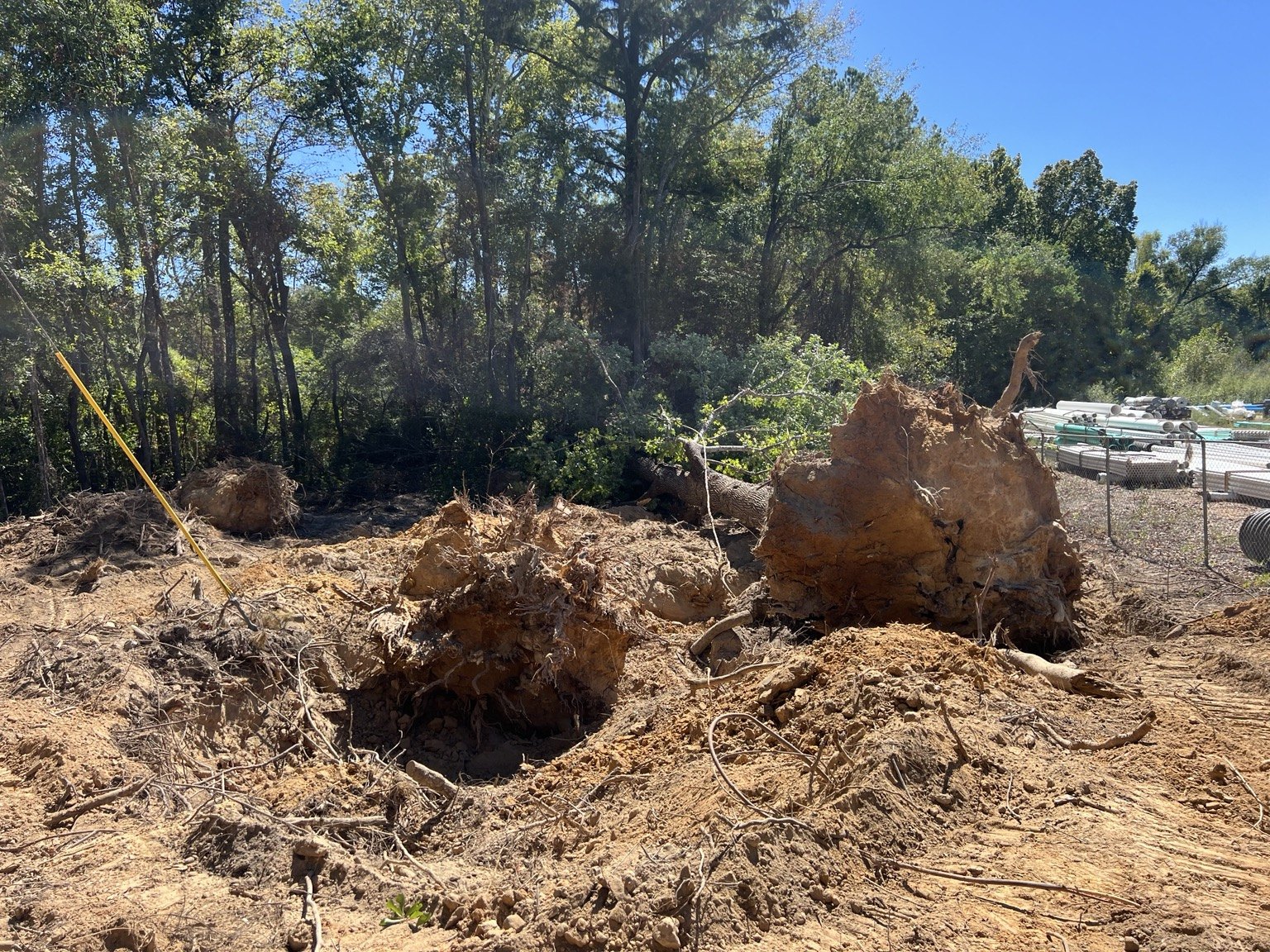
House & Structure Demolition
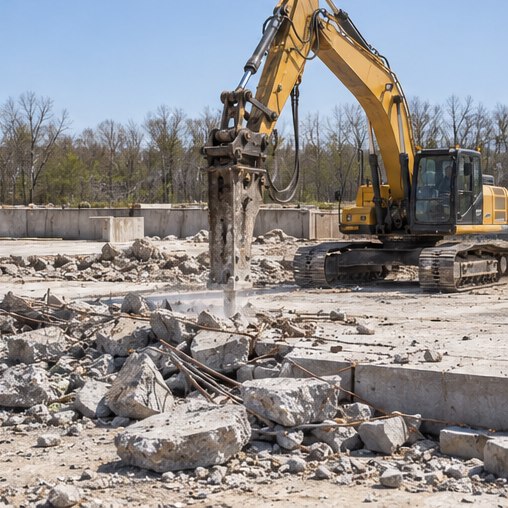
Residential and other structure removal when the building, utilities, access, surroundings, debris, and final-site requirements fit the assignment.
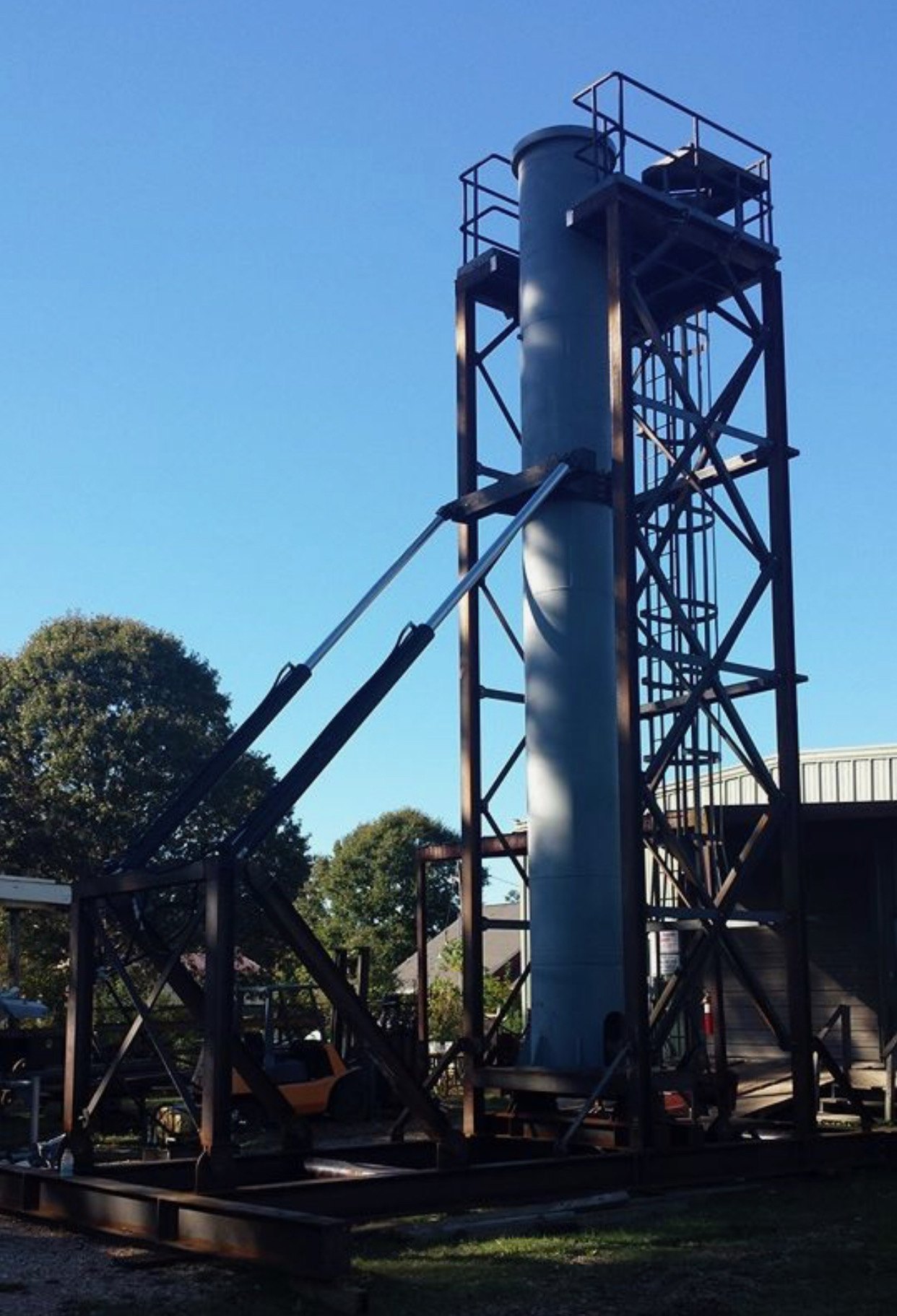
Metal-Building Dismantling
Planned removal of sheeting, secondary framing, trusses, columns, and associated components using access, cutting, lifting, and material-control methods.
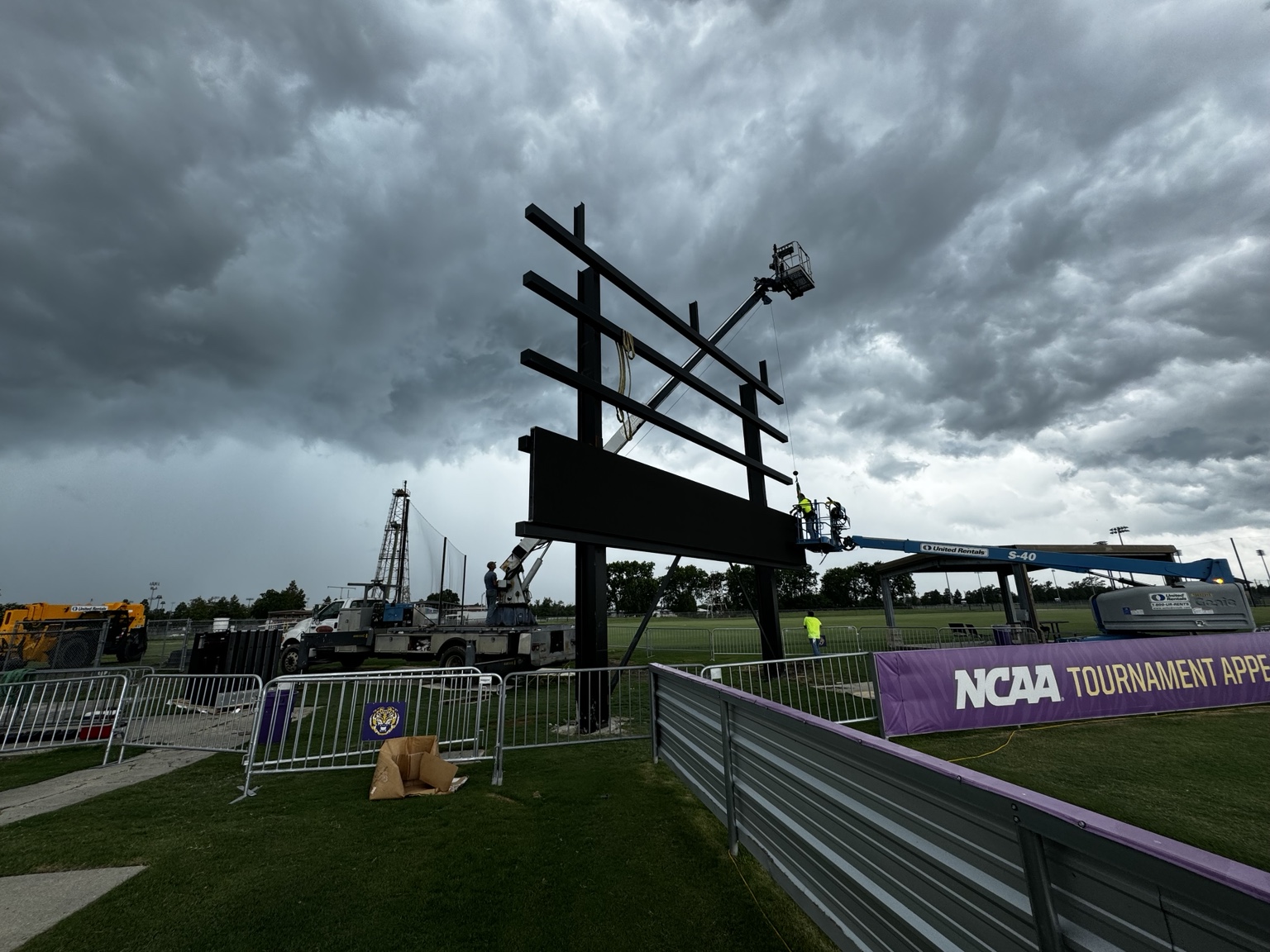
Sign & Billboard Removal
Controlled sectional dismantling, crane lowering, column or support removal, hauling, and recycling within the assigned scope.
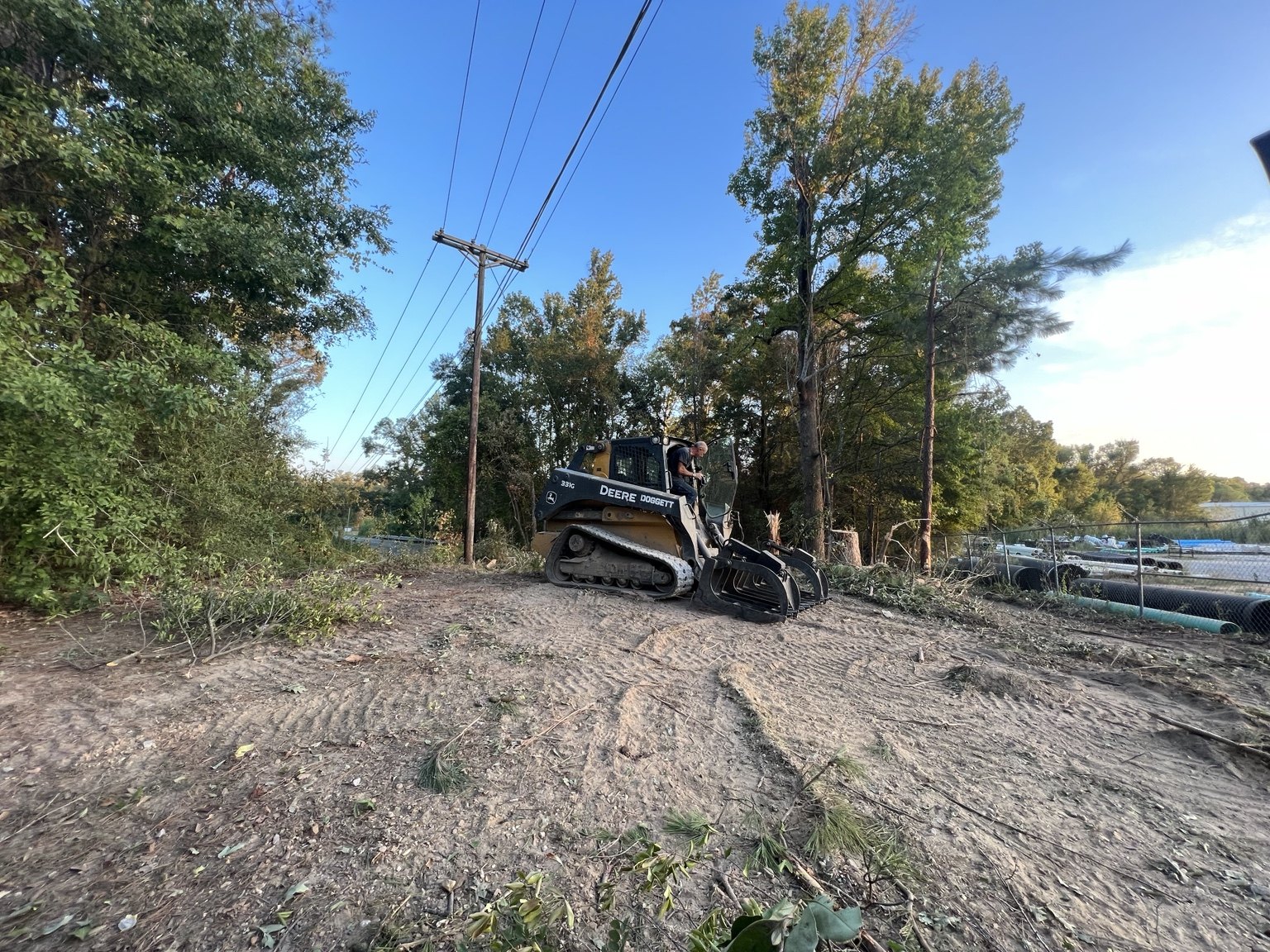
Slab & Foundation Removal
Removal of slabs, footings, piers, drilled shafts, helical piles, and other foundation elements when included in the drawings or proposal.
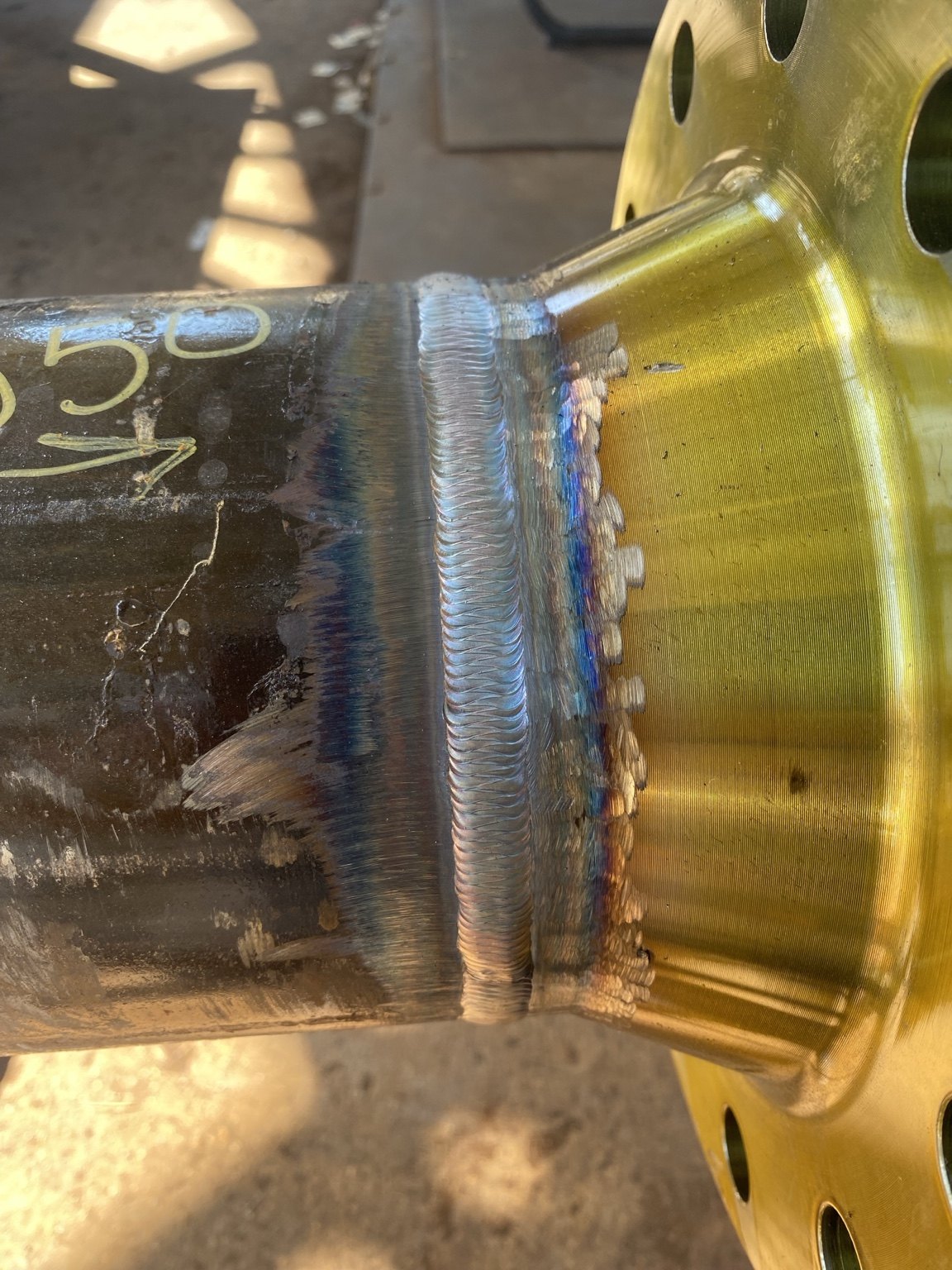
Selective & Partial Removal
Project-specific removal where adjacent structures, finishes, equipment, utilities, or operations must remain protected.
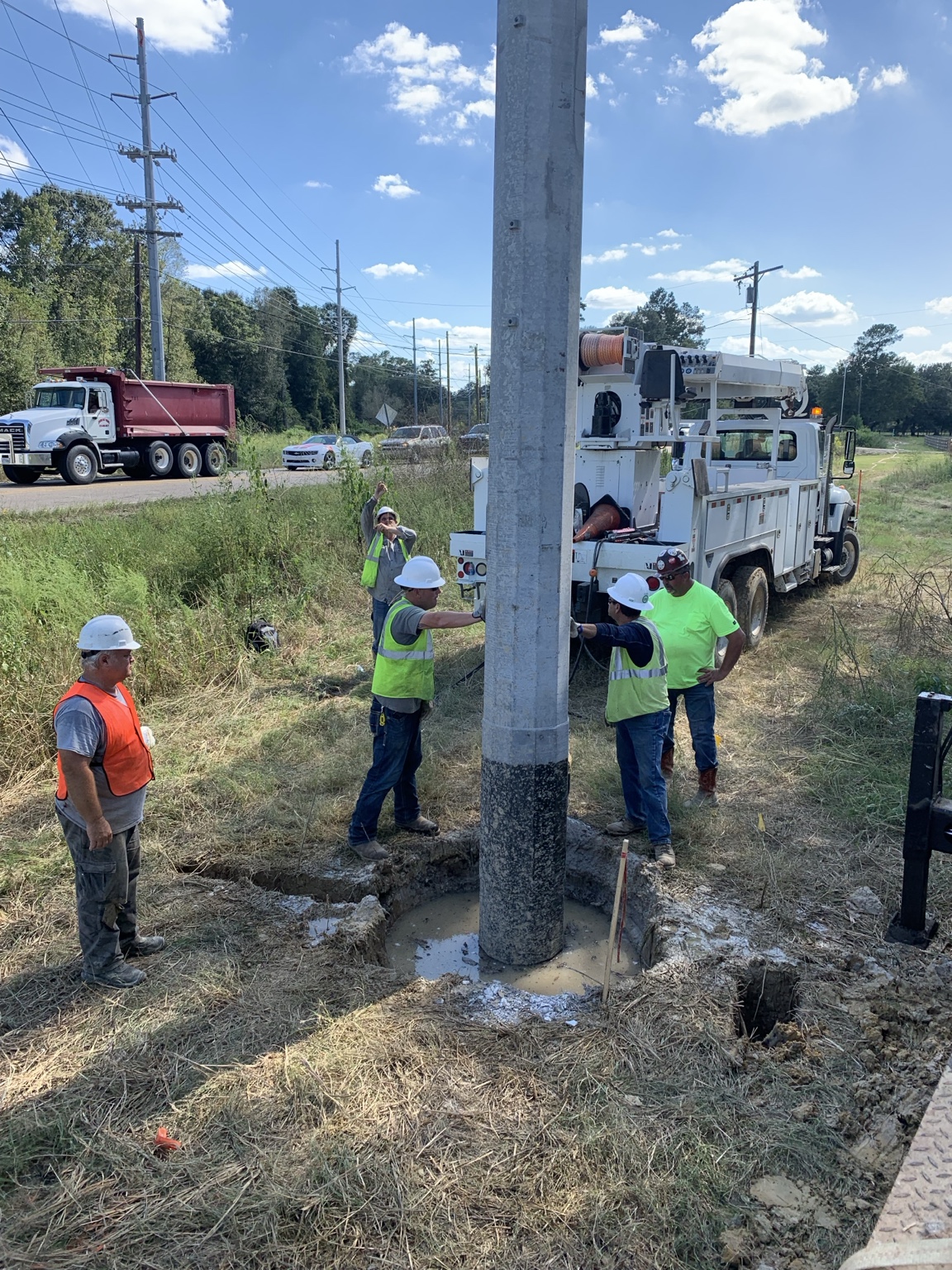
Loading & Hauling
Staging, loading, transport, recycling, disposal, and documentation organized around the material stream and project requirements.
Below-Grade Completion
Cut elevations, voids, backfill, compaction, grading, drainage, and restoration defined before buried work is removed or terminated.
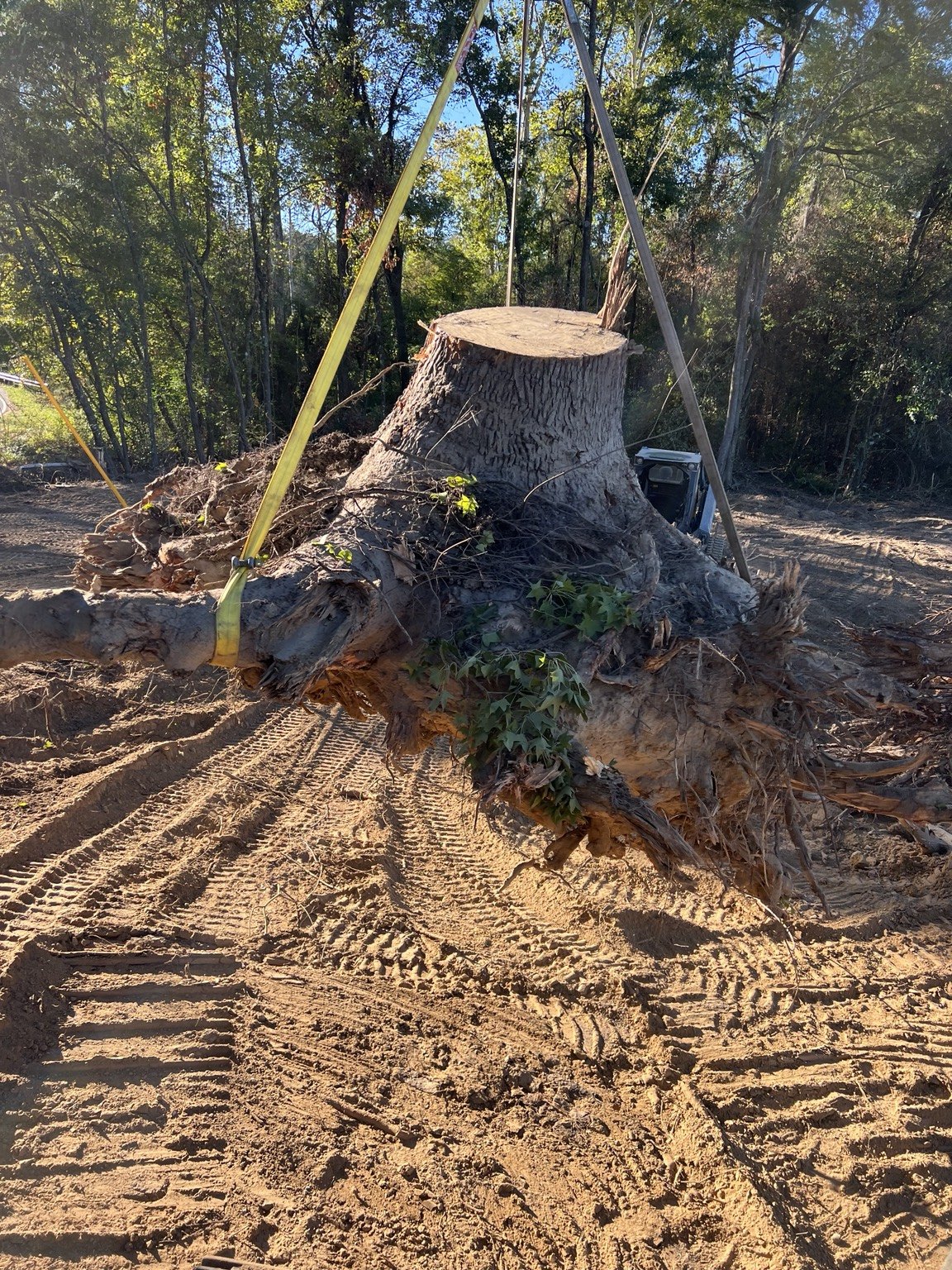
Site Cleanup
Debris removal, work-area cleanup, grading, and the agreed final condition completed to the limits of the accepted scope.
Plan From the Finish Backward
Demolition is a sequence—not a single action.
How the site must look at completion determines what is protected, separated, supported, removed, hauled, recycled, backfilled, graded, or left in place.
- 01
Define the limits
Identify what remains, what is removed, the work boundaries, material ownership, and the required final condition.
- 02
Verify the existing condition
Review structure type, deterioration, connections, foundations, utilities, hazardous-material information, and surrounding exposure.
- 03
Establish the sequence
Plan stability, access, temporary support, cutting, lifting, equipment position, exclusion zones, and changing conditions.
- 04
Control material flow
Separate salvage, recycling, disposal, and owner-retained items; coordinate staging, loading, routes, and documentation.
- 05
Complete below grade
Remove or terminate foundations as required, then address voids, backfill, compaction, grading, cleanup, and acceptance.
Verified Demolition Project · 2018
Complete metal-building removal near Houma.
On the outskirts of Houma, Louisiana, Auger dismantled and removed an approximately 85-ft × 125-ft metal building for a private customer. The work included the structure, slab, foundations, material separation, hauling, recycling, and cleanup.
Customer confidentiality preservedThe customer, exact road, address, disposal destinations, and other identifying details are not published.
85′ × 125′Approximate building size3-Person CrewVerified Auger crew sizeAbout 2 WeeksVerified project duration
Confirmed Structural Sequence
Remove stability
in a controlled order.
Utilities had already been disconnected before Auger began. Equipment and access were assigned to specific roles during the dismantling and material-handling process.
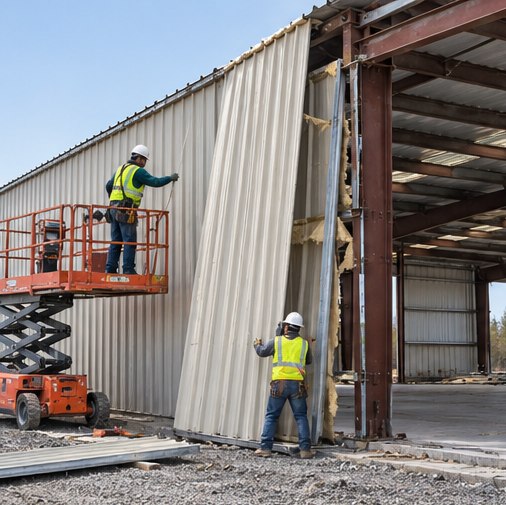
Sheet Metal
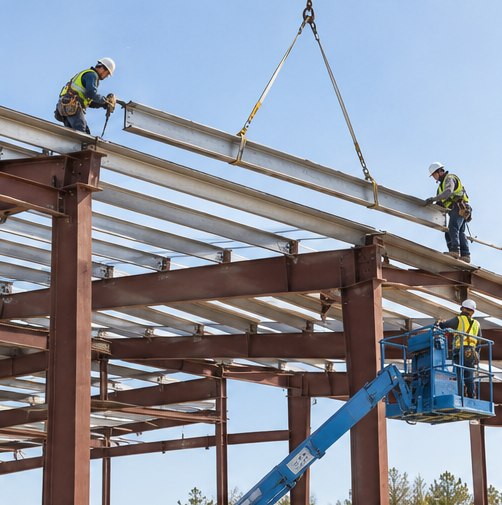
Purlins
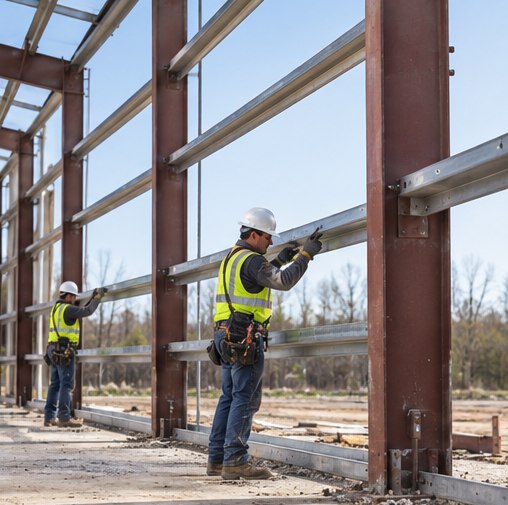
Girts
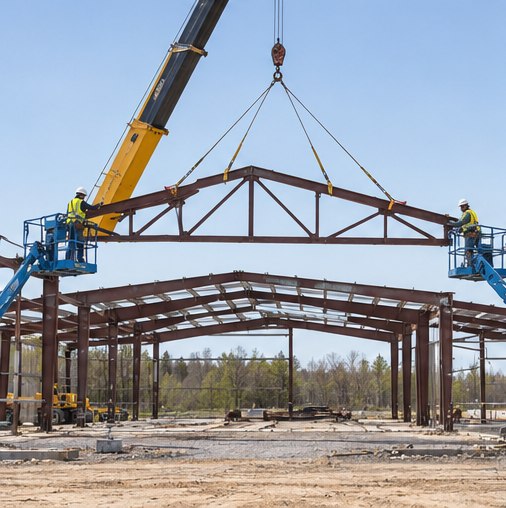
Trusses
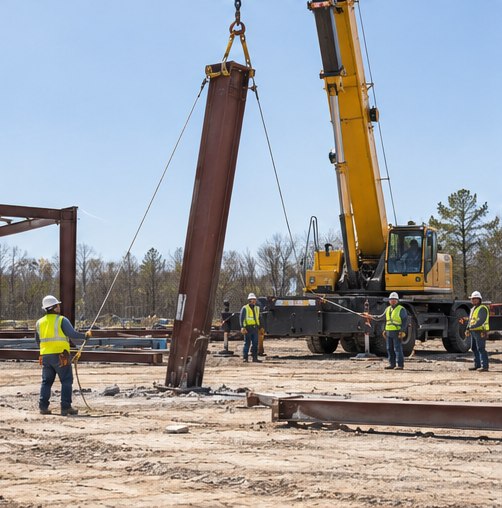
Uprights
Slab & Foundations
Illustrative demolition sequence.
Material & Final-Site Control
Decide where every material goes.
Demolition pricing and execution depend on who owns removed material, what can be recycled or salvaged, what requires disposal, where it may be staged, and what records or final-site work are required.
Salvage & Owner-Retained
Identify items to protect, remove intact, store, label, deliver, or leave onsite.
Recycling
Separate steel, concrete, and other accepted materials when recycling is part of the project plan.
Disposal
Define debris categories, approved destinations, documentation, prohibited materials, and responsibility.
Final Condition
Set requirements for below-grade removal, voids, backfill, compaction, grade, drainage, access, and cleanup.
Demolition Safety
Control stability
as conditions change.
Demolition planning considers utility status, structural condition, changing load paths, temporary support, equipment position, lifting, hot work, fall exposure, public and worker access, exclusion zones, debris movement, weather, communication, and emergency response.
Utility statusStructural conditionControlled sequenceHot-work controlsExclusion zonesStop-work authority
Hazardous-material surveys, abatement, engineering, permits, utility disconnects, inspections, and disposal documentation are assigned project by project. No responsibility is assumed unless it is included in Auger’s accepted scope.
Questions & Answers
Frequently asked questions
Do you consider both residential and commercial demolition?
Yes. Auger can review house and structure demolition, metal-building dismantling, sign removal, and slab or foundation removal. The final scope depends on the structure and site requirements.
Is hauling and cleanup included?
Hauling, salvage, recycling, disposal, and cleanup are included when stated in the proposal. The required final grade and below-ground removal limits should be established before pricing.
What needs to be established before demolition?
The scope review must address utilities, structure condition, access, adjacent property, required permits, material handling, and any specified hazardous-material responsibilities before the work proceeds.
Have a different question? Contact Brad or read the general FAQ.
Request Demolition Pricing
Send the existing condition
and required finish.
Complete information helps Auger evaluate the sequence, equipment, access, hauling, disposal, restoration, schedule, exclusions, safety requirements, and pricing.
Include when available
- Project location, schedule, and work limits
- Photographs and existing-condition drawings
- Structure dimensions, materials, condition, and connections
- Utility-disconnect and underground-utility information
- Hazardous-material survey and abatement responsibility
- Protected structures, property, access, and operating restrictions
- Salvage, recycling, disposal, hauling, and documentation requirements
- Slab, foundation, below-grade, backfill, grading, and cleanup scope