
Utility, Transmission & Substation Support
Foundations and field support
for power infrastructure.
Drilled foundations, direct-burial structure support, reinforcing and embedded-item handling, crane-assisted pole work, and related field services planned around the structure, site conditions, operating requirements, and assigned scope.
Utility work demands controlled planning.Existing Lines · Clearances · Access · Lifting · Equipment · Communication · Stop-Work Criteria
Infrastructure Safety ↓with defined setting responsibilities
and placement support
selected for field conditions
built to project plans
Power & Infrastructure Capabilities
Connect the foundation
to the structure.
Utility work may combine excavation, stabilization, reinforcement, embedded items, lifting, structure handling, access control, and coordination around existing infrastructure.
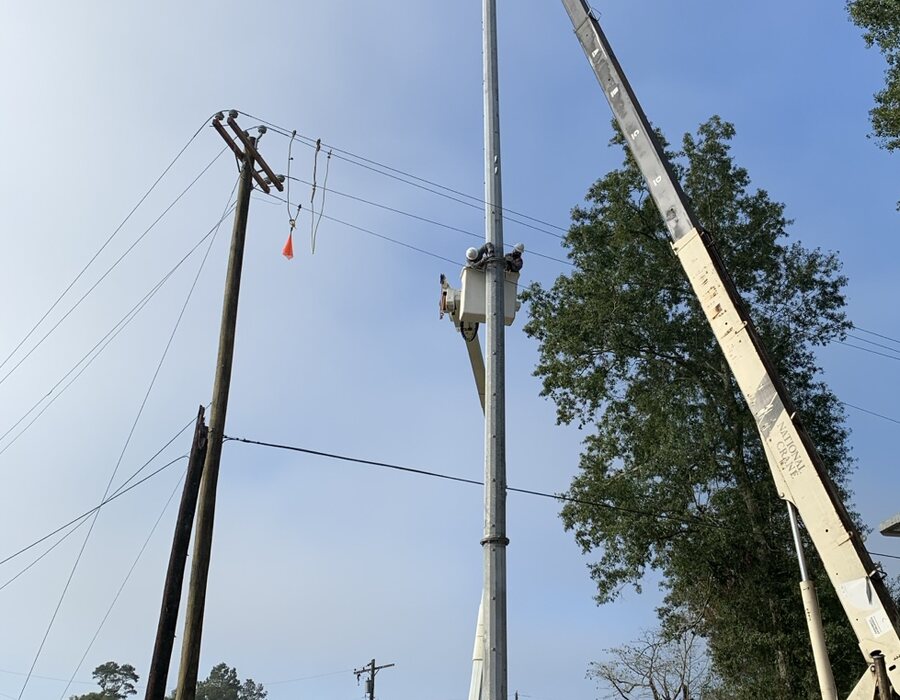
Transmission Foundations
Drilled-foundation support for steel transmission poles and related utility structures based on the specified geometry and site conditions.
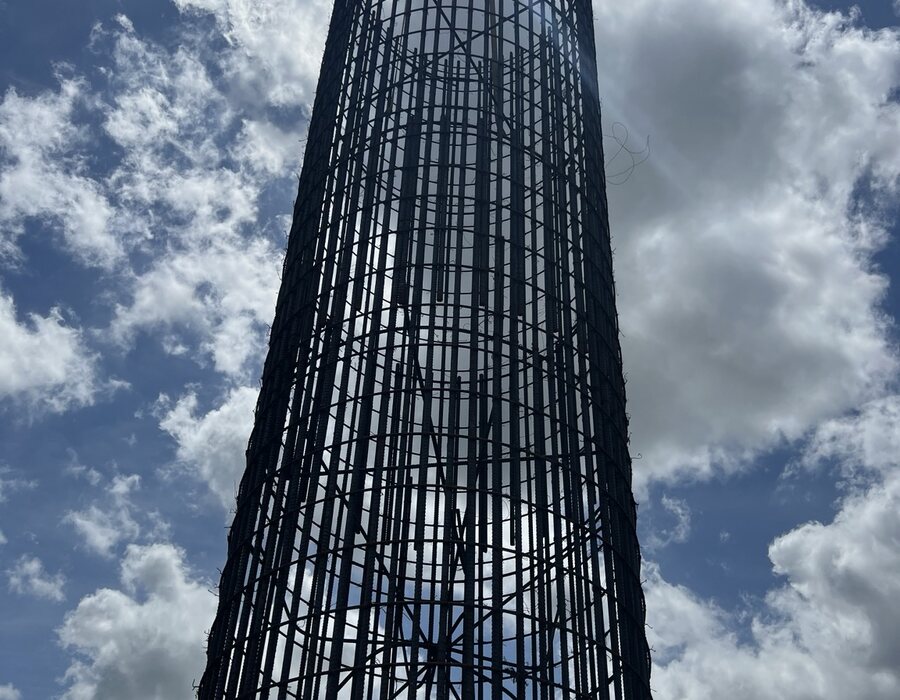
Anchor-Bolt Structures
Reinforcement, templates, sleeves, anchor-bolt assemblies, concrete, and setting coordination when included in Auger's scope.
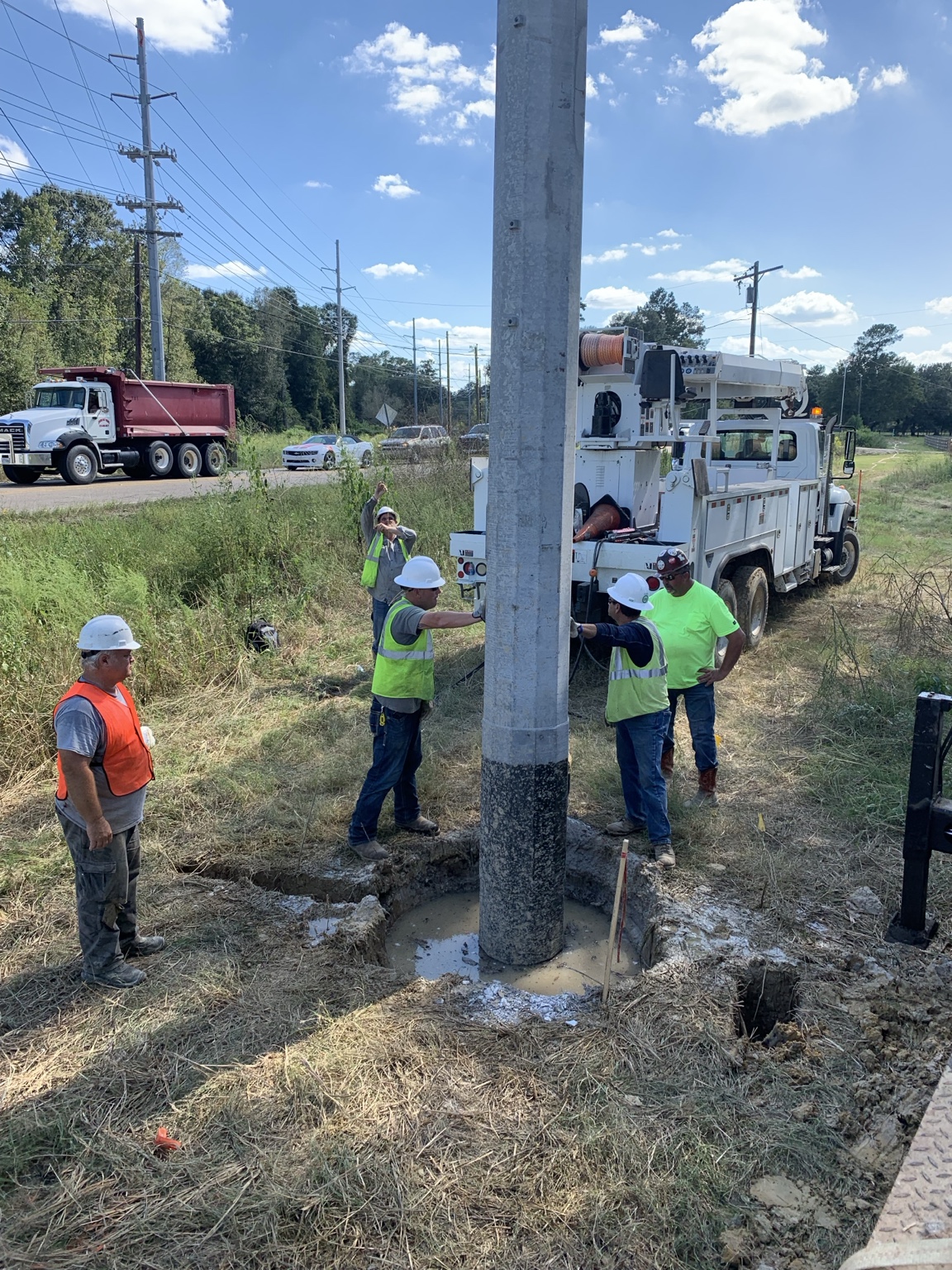
Direct-Burial Structures
Excavation and field support for direct-burial poles or structural members, including handling and alignment when contracted.
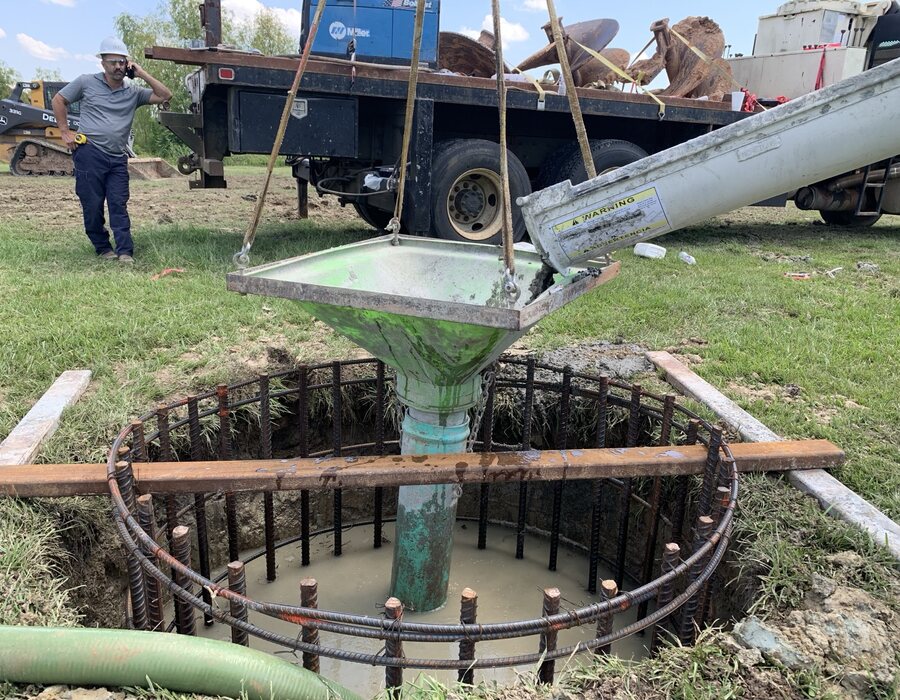
Substation Foundations
Foundation and structure-support work associated with substation construction, with each site and responsibility defined separately.
Pad, Pier & Spread Footings
Excavation, forming, reinforcement, embedded items, and concrete placement for pad, pier, and spread-footing foundations when included in Auger's scope.
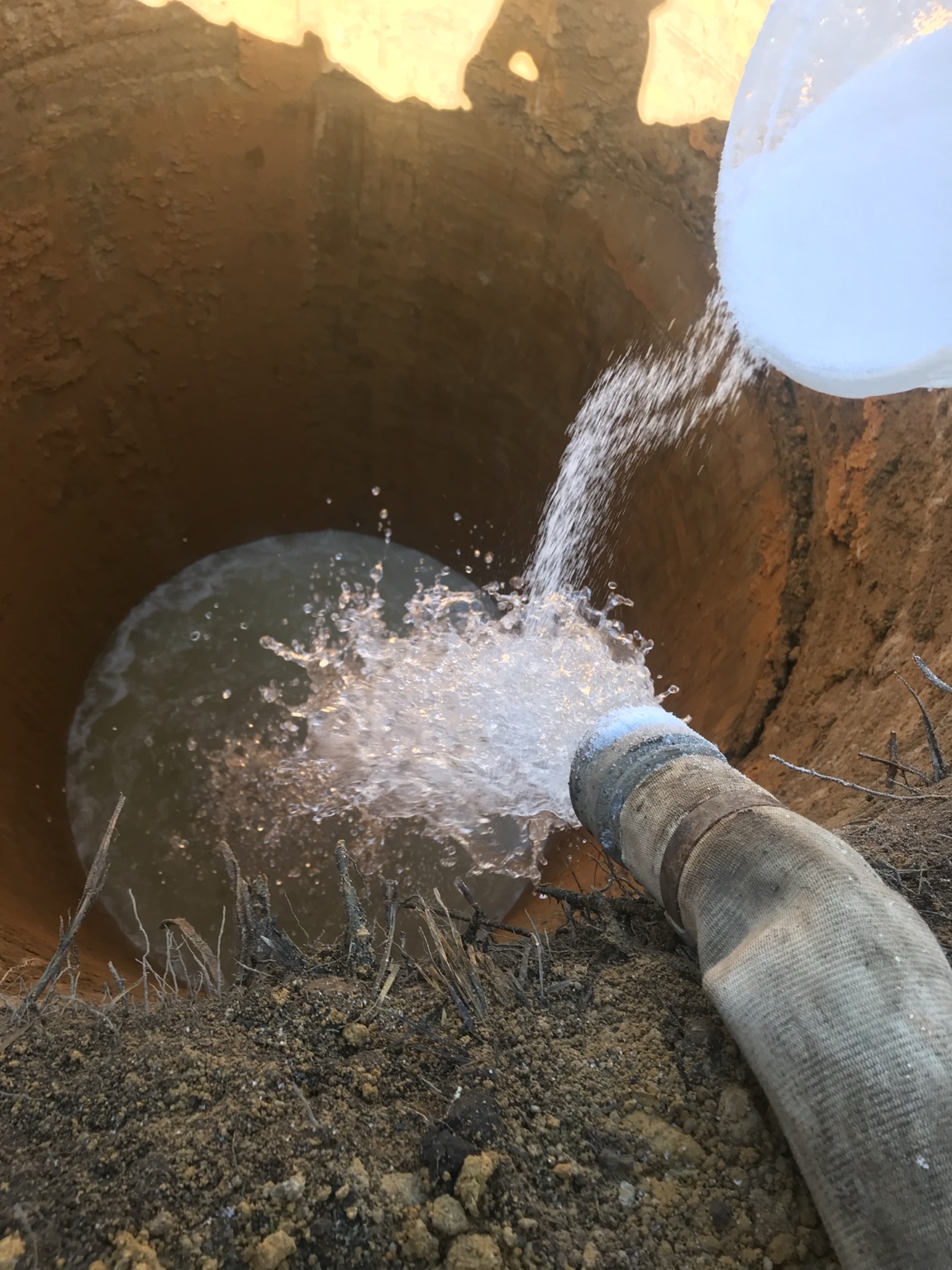
Slurry & Casing
Excavation support for groundwater or unstable soils, including project-specific storage, handling, placement, cleanup, and disposal planning.
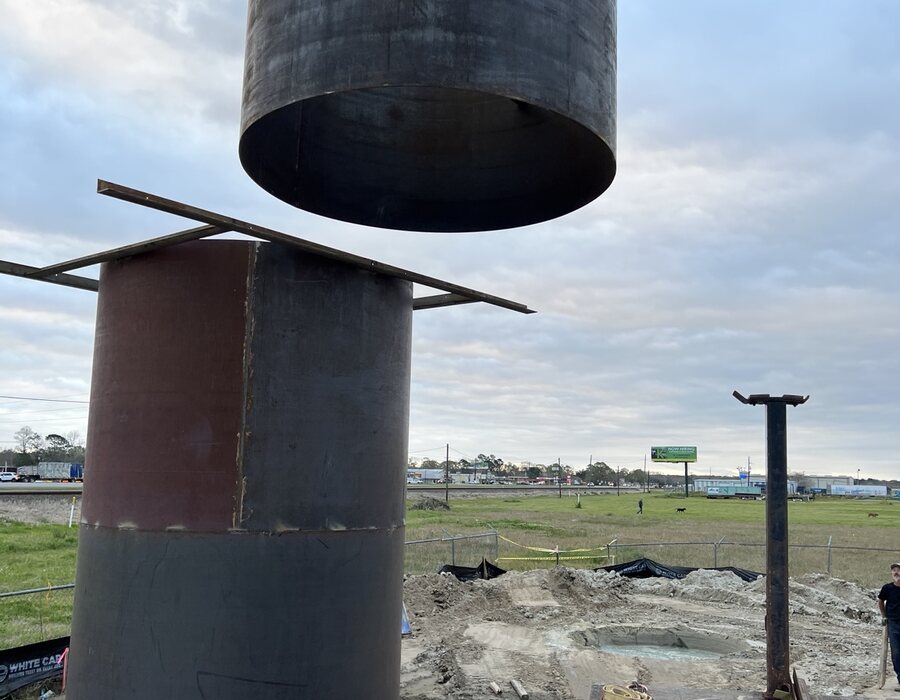
Pole & Material Handling
Crane-assisted handling of rebar cages, tremie pipe, steel poles, and structural materials when load, radius, access, and scope are confirmed.
Field Video
150′ substation tower.
A look at tower placement in the field. Equipment, lift plans, access, and assigned responsibilities are evaluated for each structure and site.
Three Common Structure Types
Different structures.
Different field plans.
The drawings and proposal must define survey, materials, inspection, testing, alignment, backfill, concrete, electrical work, outages, and restoration responsibilities.
A
Anchor-Bolt Foundation
- Confirm layout, elevation, bolt pattern, template, and responsibilities.
- Drill and stabilize the excavation using the selected method.
- Place reinforcement and the anchor-bolt assembly included in scope.
- Verify support and alignment before concrete placement.
- Place concrete and protect the completed assembly.
B
Direct-Burial Structure
- Confirm member dimensions, weight, embedment, lifting points, and orientation.
- Prepare, drill, and stabilize the excavation.
- Lift, position, align, and support the structure under the approved plan.
- Install and compact the specified material.
- Verify alignment and complete assigned cleanup or restoration.
C
Pad, Pier & Spread Footings
- Confirm layout, elevations, dimensions, bearing requirements, and responsibilities.
- Excavate and prepare the foundation area to the project requirements.
- Install forms, reinforcement, and embedded items included in scope.
- Verify placement and support before concrete installation.
- Place concrete and complete assigned backfill, finish, or restoration.
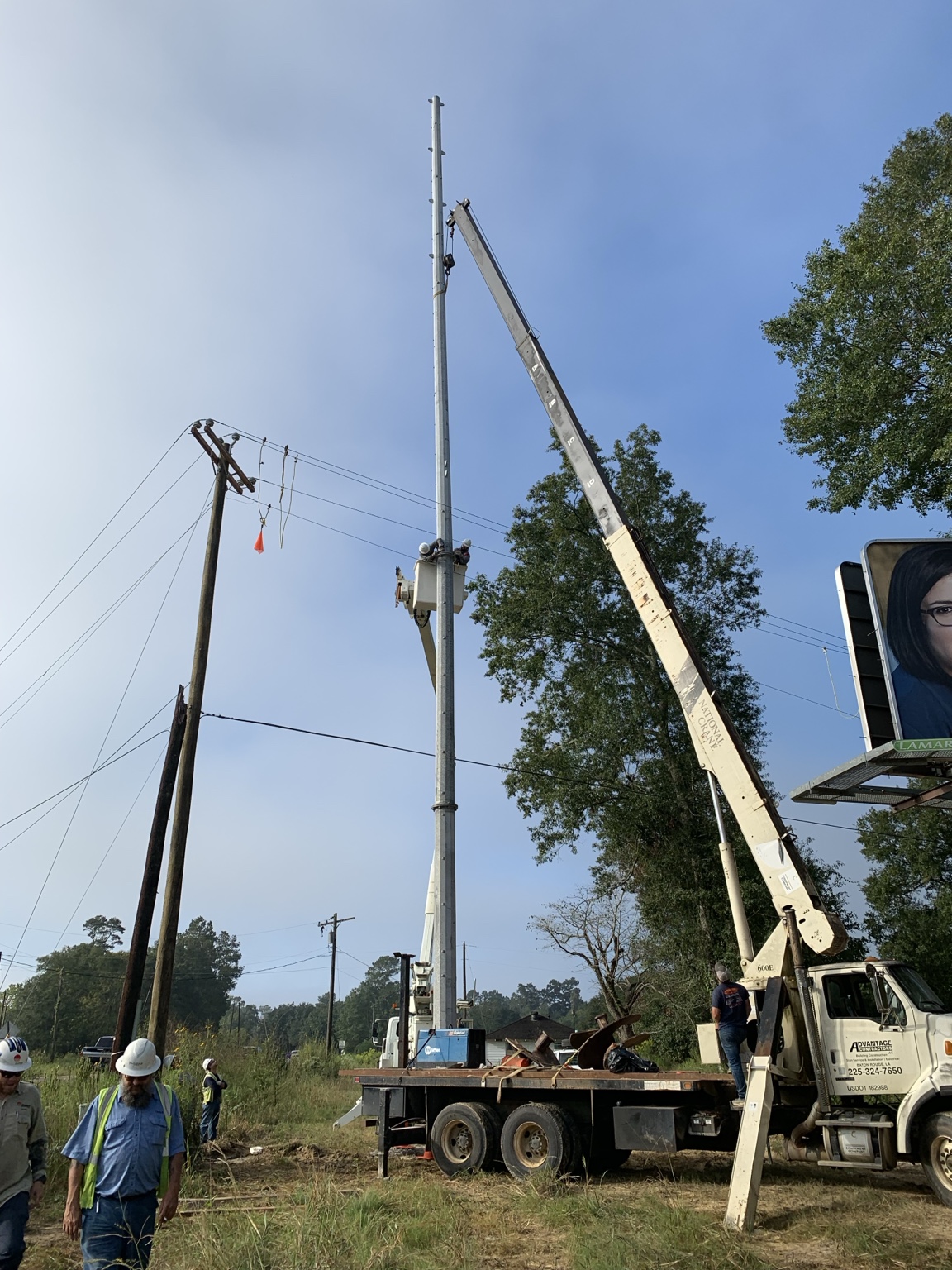
Completed Field Work
Transmission foundations and steel-pole support.
On a Livingston Parish project, Auger performed slurry foundation work associated with anchor-bolt and direct-burial structures. Auger's 20-ton National boom truck/crane handled rebar cages, supported tremie pipe, and assisted with steel transmission-pole setting.
The work was planned around existing infrastructure, equipment position, lifting paths, clearances, access, communication, and the responsibilities assigned by the controlling contractor or utility.
Scope matters.This project experience does not imply utility ownership, electrical line work, or a universal energized-line-work qualification.
Safety Around Existing Infrastructure
Clear control.
Defined authority.
Before work begins, the project team must define line and equipment status, required clearances, utility procedures, equipment positions, lifting paths, exclusion zones, communication, weather limits, emergency contacts, and site-control authority.
Line status confirmedClearances definedLift path controlledUtility proceduresWeather criteriaStop-work authority
Auger’s foundation and pole-support experience must not be interpreted as a claim that Auger performs energized electrical line work. The accepted scope and required qualifications are reviewed for each project.
Questions & Answers
Frequently asked questions
What types of power foundations can Auger review?
Scopes include transmission and substation foundations, anchor-bolt foundations, direct-burial structures, and pad, pier, and spread footings. The engineered design and contract determine the assigned work.
Does the foundation scope also include pole erection?
Pole handling and erection support can be evaluated separately or included when contracted. Foundation work does not automatically include above-ground installation or electrical work.
What safety information should we provide?
Include known utilities, operating-site rules, access limits, lifting conditions, nearby structures, public exposure, and customer safety requirements. Written job-safety analyses and site-specific safety plans are developed when required by the customer, site, or work conditions.
Have a different question? Contact Brad or read the general FAQ.
Request Infrastructure Pricing
Send the structure,
site, and utility data.
Complete project information helps Auger evaluate foundation methods, lifting and access needs, support equipment, utility procedures, schedule, exclusions, safety requirements, and pricing.
Include when available
- Foundation and structure schedules
- Structural, civil, and relevant electrical drawings
- Geotechnical report and boring information
- Structure weight, dimensions, lifting points, and embedment
- Anchor-bolt, template, sleeve, and reinforcement details
- Existing-line and operating-equipment information
- Required utility procedures, clearances, permits, and outages
- Access, staging, crane setup, schedule, testing, and restoration requirements