
Scope, roles, authority, requirements, and interfaces.
Safety Begins With Understanding the Work
Plan the work.
Control the risks.
Safety is evaluated together with scope, access, utilities, equipment, lifting, personnel, surrounding operations, changing conditions, and the sequence required to complete the assignment.
When conditions do not support the plan:STOP.REVIEW.REVISE.
Resume only when responsibilities, controls, communication, and authority are understood.
Site, utilities, access, equipment, people, and conditions.
Work zones, travel paths, loads, clearances, and sequence.
Plans, changes, responsibilities, and stop-work decisions.
The Safety Approach
Build controls into
the field plan.
Safety planning starts before mobilization and continues as field conditions, other trades, weather, access, and the work sequence change.
- 01
Define the Assigned Scope
Confirm what Auger will perform, who controls the site, responsibilities of other parties, required coordination, and the limits of the accepted work.
- 02
Review Project Requirements
Study plans, specifications, geotechnical information, customer procedures, facility rules, utility requirements, permits, schedule, and required documentation.
- 03
Evaluate the Site
Consider soil, groundwater, utilities, access, slopes, clearances, public exposure, operating facilities, weather, surrounding operations, and changing conditions.
- 04
Plan Equipment & Work Zones
Establish equipment positions, travel paths, working radii, load paths, access methods, lifting zones, personnel routes, and appropriate exclusion areas.
- 05
Communicate the Method
Align the crew and project team on sequence, signals, authority, interfaces, emergency contacts, inspection points, and what requires a pause or change.
- 06
Monitor & Adjust
Watch the conditions as work progresses. Stop or revise the plan when the work cannot proceed as intended or the controls no longer match the situation.
Hazards Connected to the Work
Different scopes require
different controls.
No single checklist replaces evaluating the actual foundation, lift, structure, equipment, site, crew, and surrounding operation.
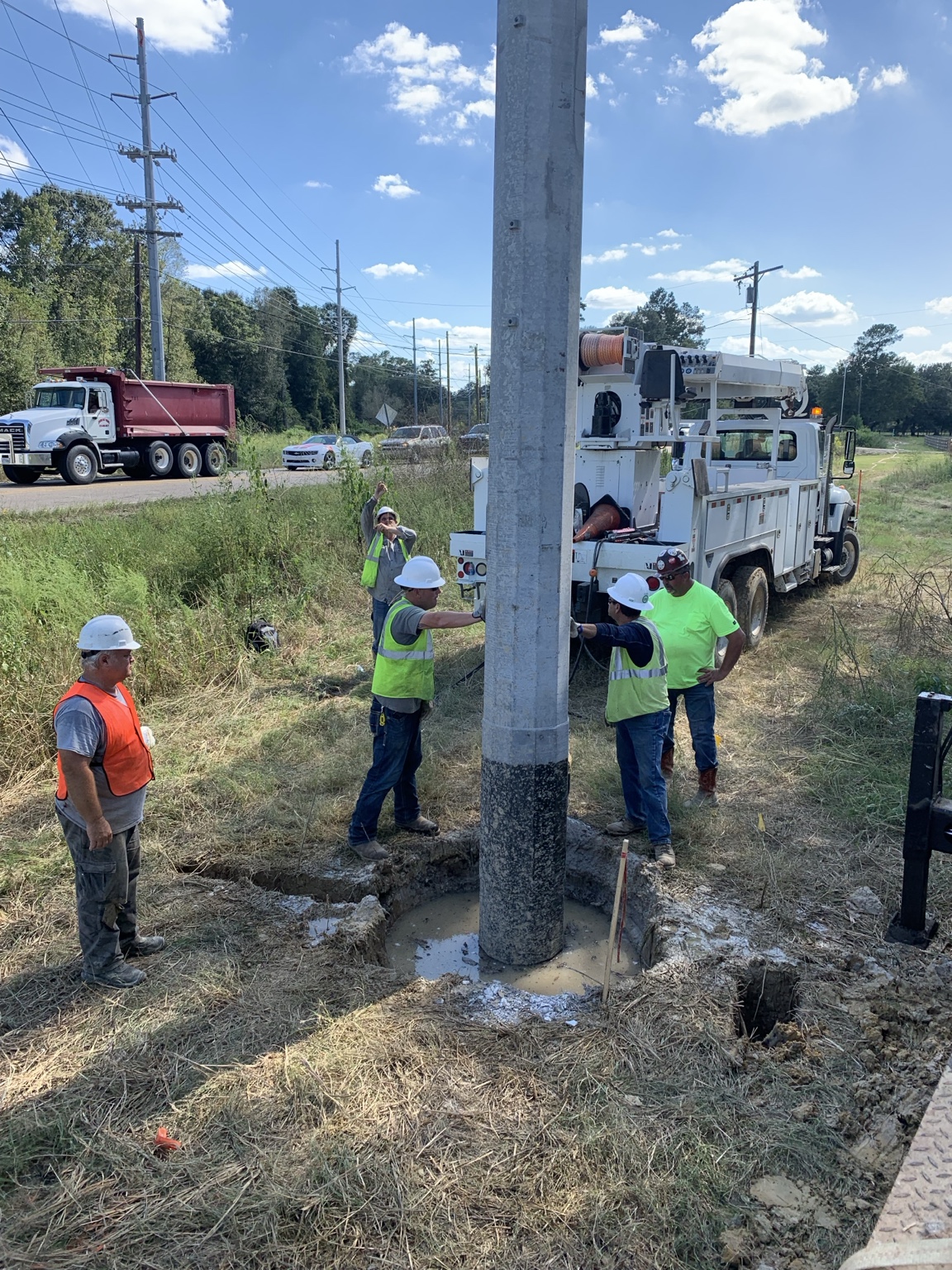
Utilities & Existing Systems
Underground and overhead locations, status, isolation, clearances, markings, procedures, outages, and controlling authority.
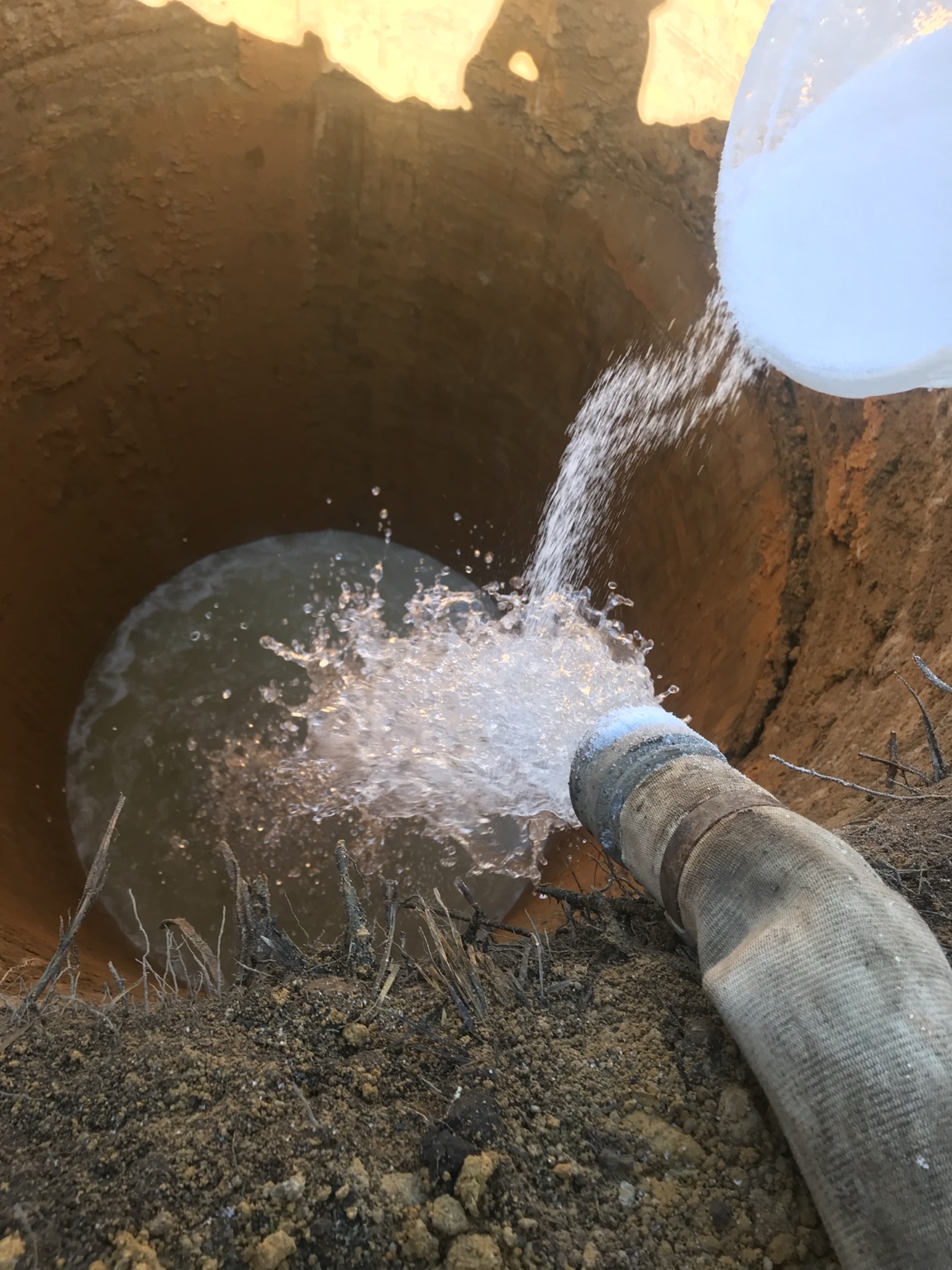
Ground & Excavations
Soil, groundwater, collapse potential, open holes, casing or slurry, slopes, bearing conditions, spoil, edges, and access.
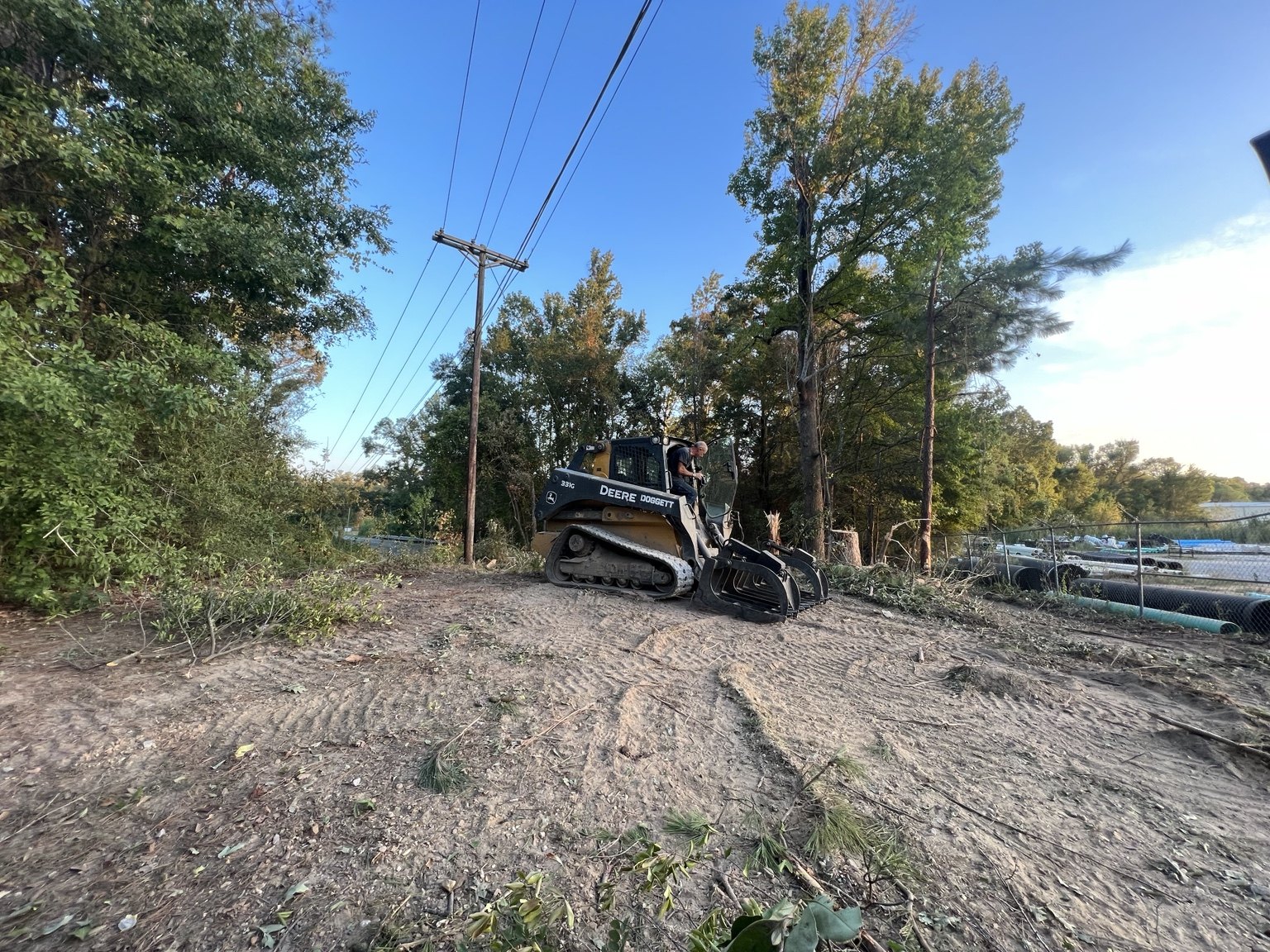
Equipment Movement
Travel paths, backing, swing, setup, stability, ground support, attachments, inspections, people, and adjacent operations.
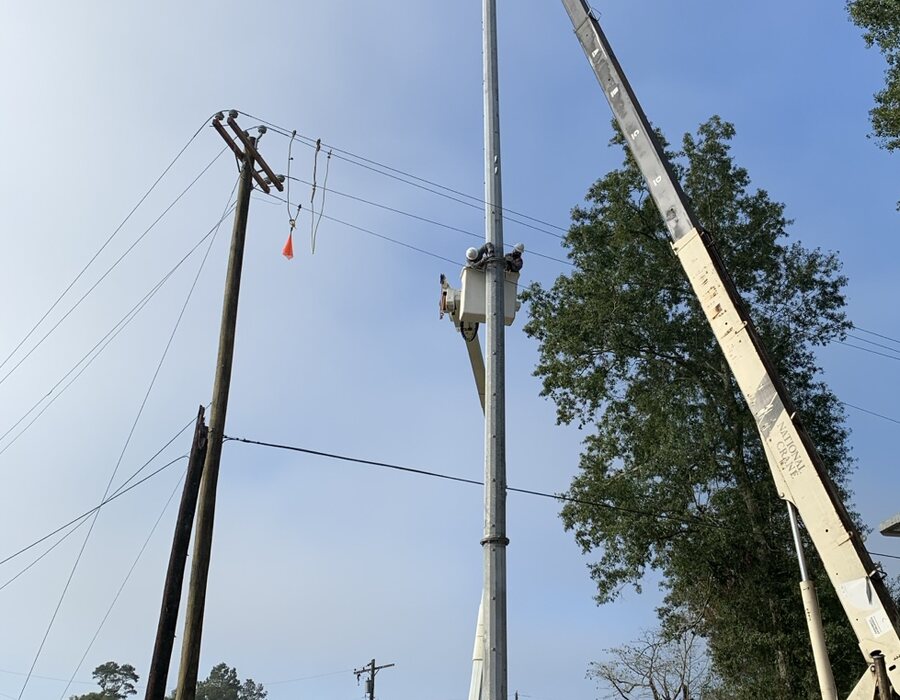
Lifting & Material Handling
Weights, geometry, center of gravity, lift points, rigging, radius, load path, tag lines, communication, and exclusion zones.
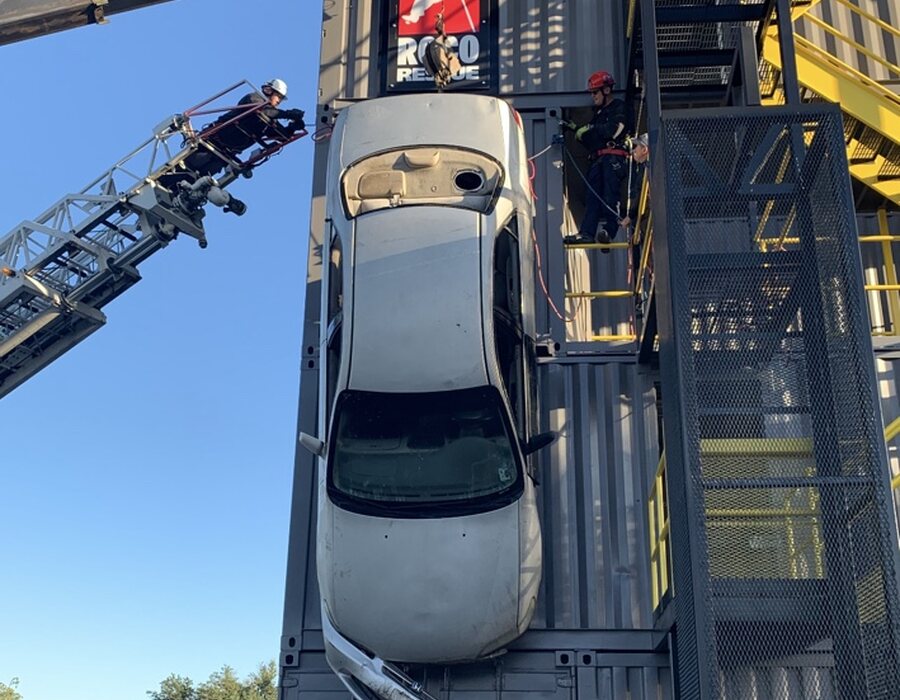
Elevated Access
Approved access method, equipment condition, setup, tie-off requirements, dropped-object exposure, rescue needs, and weather.
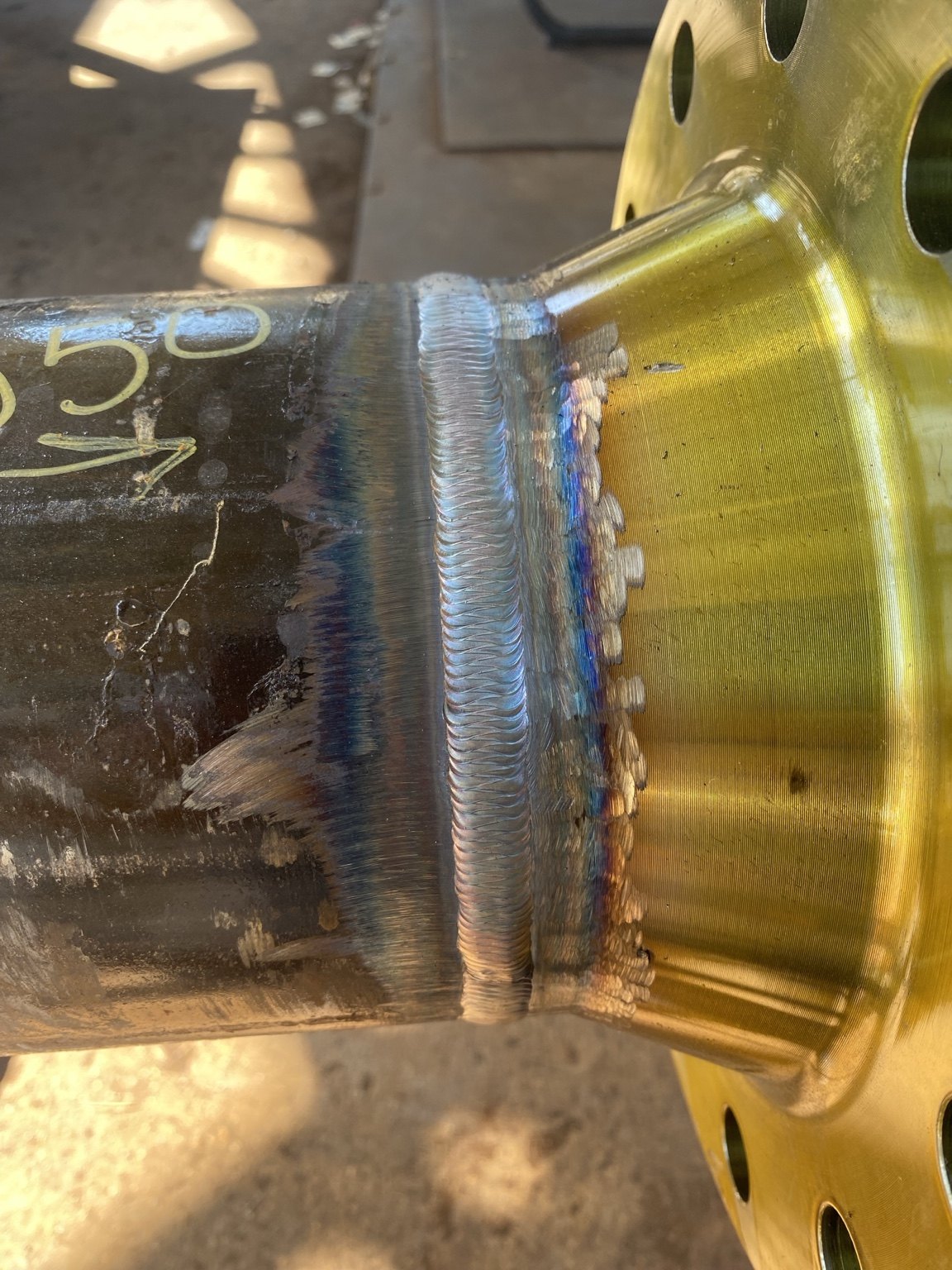
Cutting, Welding & Hot Work
Authorization, fire prevention, combustible control, cylinders, ventilation, PPE, monitoring, adjacent exposure, and post-work checks.
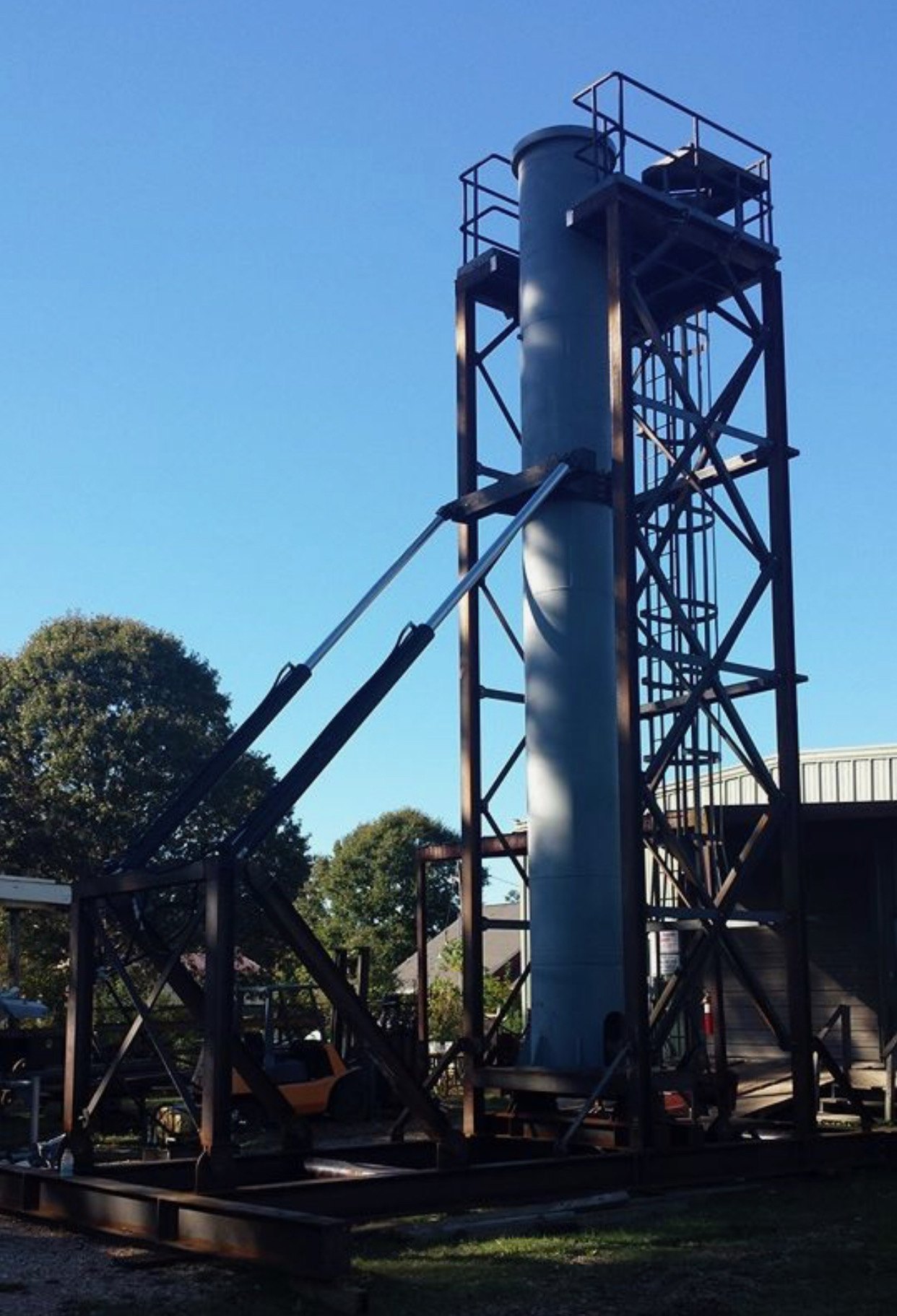
Demolition & Changing Stability
Structural condition, temporary support, connection release, load transfer, sectional removal, falling material, and final condition.
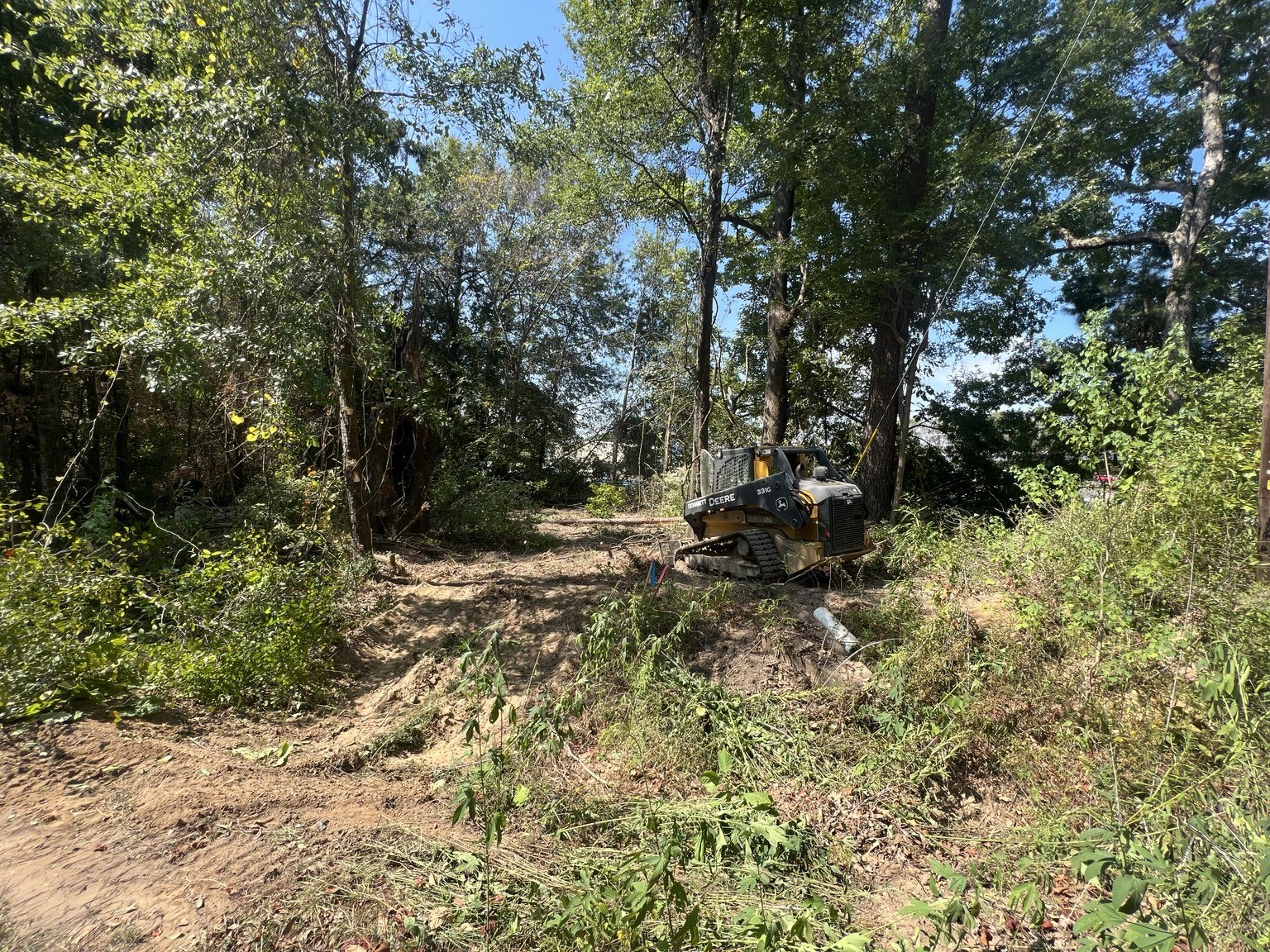
Weather & Changing Conditions
Wind, rain, lightning, heat, visibility, soft ground, schedule pressure, other-trade changes, and criteria to stop or revise work.
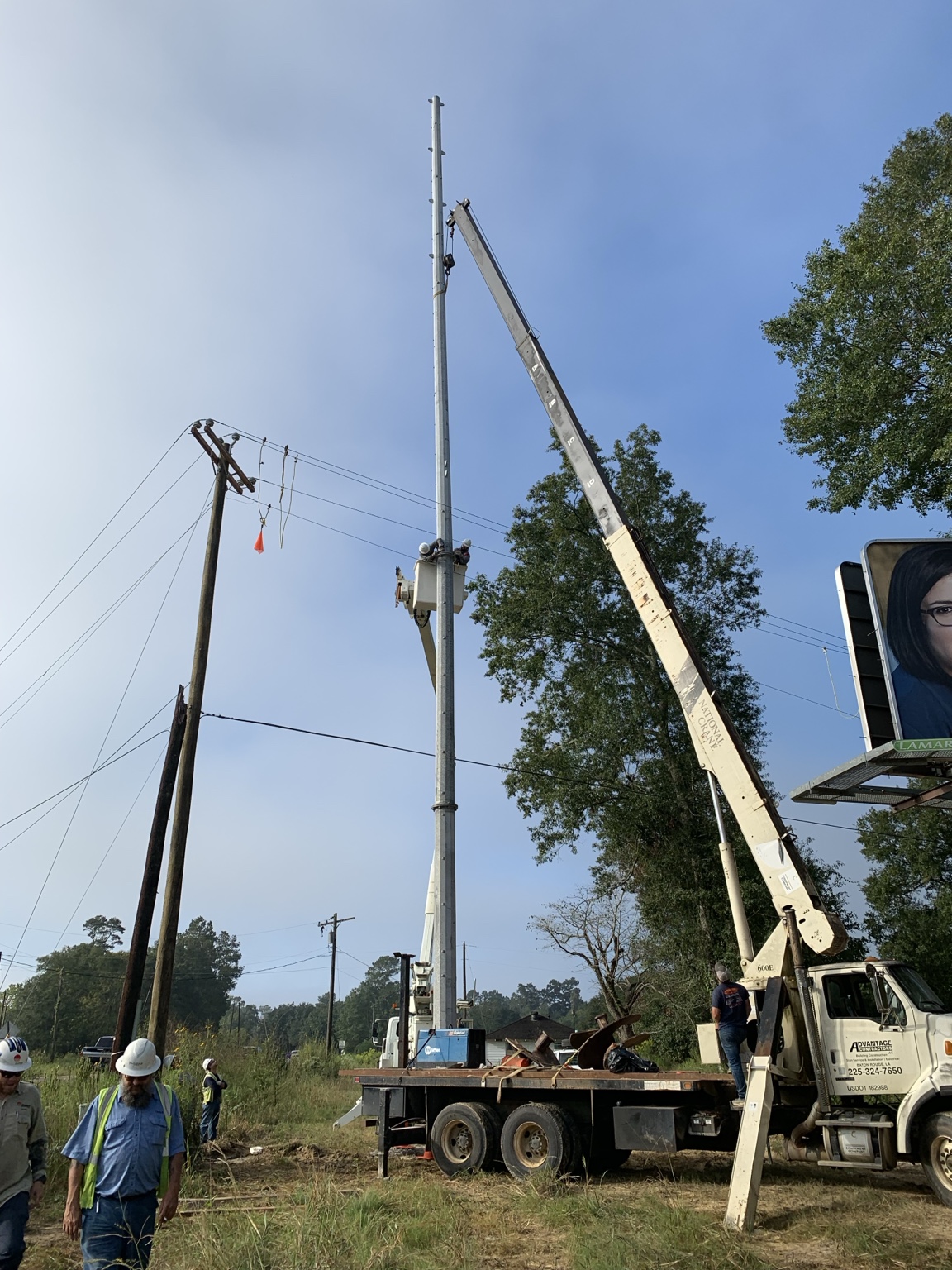
Control the Work AreaEquipment · Load Path · Clearances · People · Communication
Field Coordination
People must know the plan and their authority.
Work may involve the owner, general contractor, utility, engineer, crane or equipment operator, inspector, testing agency, specialty subcontractors, and other trades. Safe execution depends on knowing who controls each decision and how changes are communicated.
Written Planning When Required
Match the documentation to the project.
Some customers and sites require formal written packages; other assignments rely on different documentation and field controls. Auger reviews the actual requirements rather than claiming one identical program fits every job.
Job-Safety Analysis
Developed when required by the customer, site, controlling contractor, or conditions of the work.
Site-Specific Safety Plan
Prepared when the project requires a written plan addressing site rules, responsibilities, hazards, controls, and emergency information.
Lift & Equipment Planning
Load, radius, rigging, setup, ground support, access, clearances, exclusion zones, and operator responsibilities documented to the required level.
Inspection & Testing Coordination
Required equipment inspections, hold points, foundation inspection, third-party testing, records, and acceptance responsibilities identified.
Permits & Procedures
Hot-work, excavation, confined-area, utility, traffic, access, or facility procedures assigned when applicable to the project.
Emergency Information
Site contacts, location information, access, communication, response responsibilities, and customer or facility requirements confirmed as needed.
Qualifications & Verification
Verify what the actual project requires.
Training, competent-person roles, equipment inspections, medical or fit-test requirements, customer orientation, operator qualifications, records, and other credentials vary by scope and site.
STOP
When Conditions Change
Production never replaces control.
Pause the task when utilities are uncertain, access or ground support changes, equipment cannot be positioned as planned, loads or rigging differ, weather exceeds the plan, other operations enter the work zone, the structure responds unexpectedly, or responsibilities are unclear.
Review the condition, communicate with the responsible parties, revise the method or controls, and resume only when the work can proceed under an understood plan.
Questions & Answers
Frequently asked questions
What safety information should we provide?
Include known utilities, operating-site rules, access limits, lifting conditions, nearby structures, public exposure, and customer safety requirements. Written job-safety analyses and site-specific safety plans are developed when required by the customer, site, or work conditions.
Does every job have the same safety paperwork?
No. Documentation is matched to the customer, facility, work conditions, and contract requirements. Site-specific rules and controlling responsibilities should be identified before mobilization.
When should we discuss site restrictions?
Include restrictions with the initial inquiry and communicate changes as they occur. Access, utilities, lifting, personnel, and operating-site conditions can affect both the work plan and price.
Have a different question? Contact Brad or read the general FAQ.
Discuss Project Safety Requirements
Send the scope,
site rules, and conditions.
Providing safety and operating requirements early helps Auger evaluate responsibilities, documentation, equipment, access, schedule, qualifications, exclusions, and pricing before mobilization.
Include when available
- Project plans, scope, location, and schedule
- Customer and facility safety requirements
- Required orientation, training, credentials, and records
- Utilities, outages, clearances, and operating systems
- Access, traffic, public exposure, and adjacent operations
- Equipment, lifting, elevated-access, and hot-work requirements
- Inspection, testing, permit, and documentation requirements
- Emergency contacts, site authority, and reporting procedures