Public Infrastructure · Defined Scope · Accountable Execution
Field capability for
public work.
Foundation, pole, infrastructure, demolition, equipment, and specialty field support for municipalities and public agencies—performed from the project plans, specifications, accepted proposal, and site requirements.
PLANS+SCOPE+SAFETY+DOCUMENTATION+CLOSEOUT
Public work requires clear control and coordination.Utilities · Public Access · Traffic · Equipment · Lifting · Other Trades · Documentation · Stop-Work Criteria
Municipal Safety ↓specifications, and addenda
and interfaces identified
and specialty capability
testing, and closeout coordinated
Municipal & Public-Agency Support
One contractor.
Several field capabilities.
Auger can work as a general contractor or subcontractor depending on the assignment. The accepted proposal defines Auger’s role and separates it from engineering, utility, testing, inspection, and other-trade responsibilities.
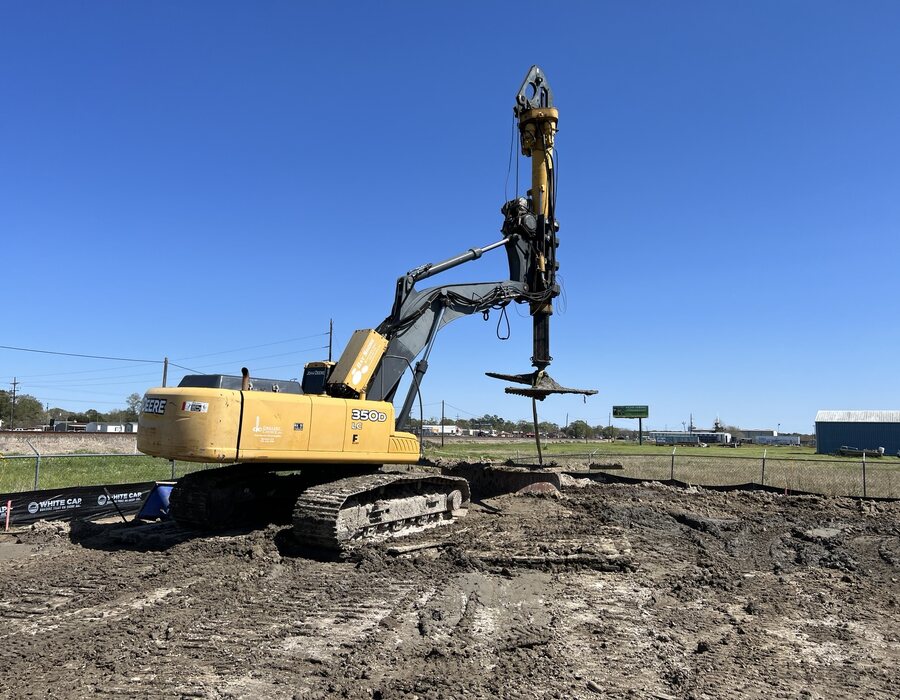
Drilled Foundations
Dry, cased, and slurry-supported drilled shafts for engineered public structures, equipment, buildings, poles, tanks, signs, and specialty applications.
Foundation details →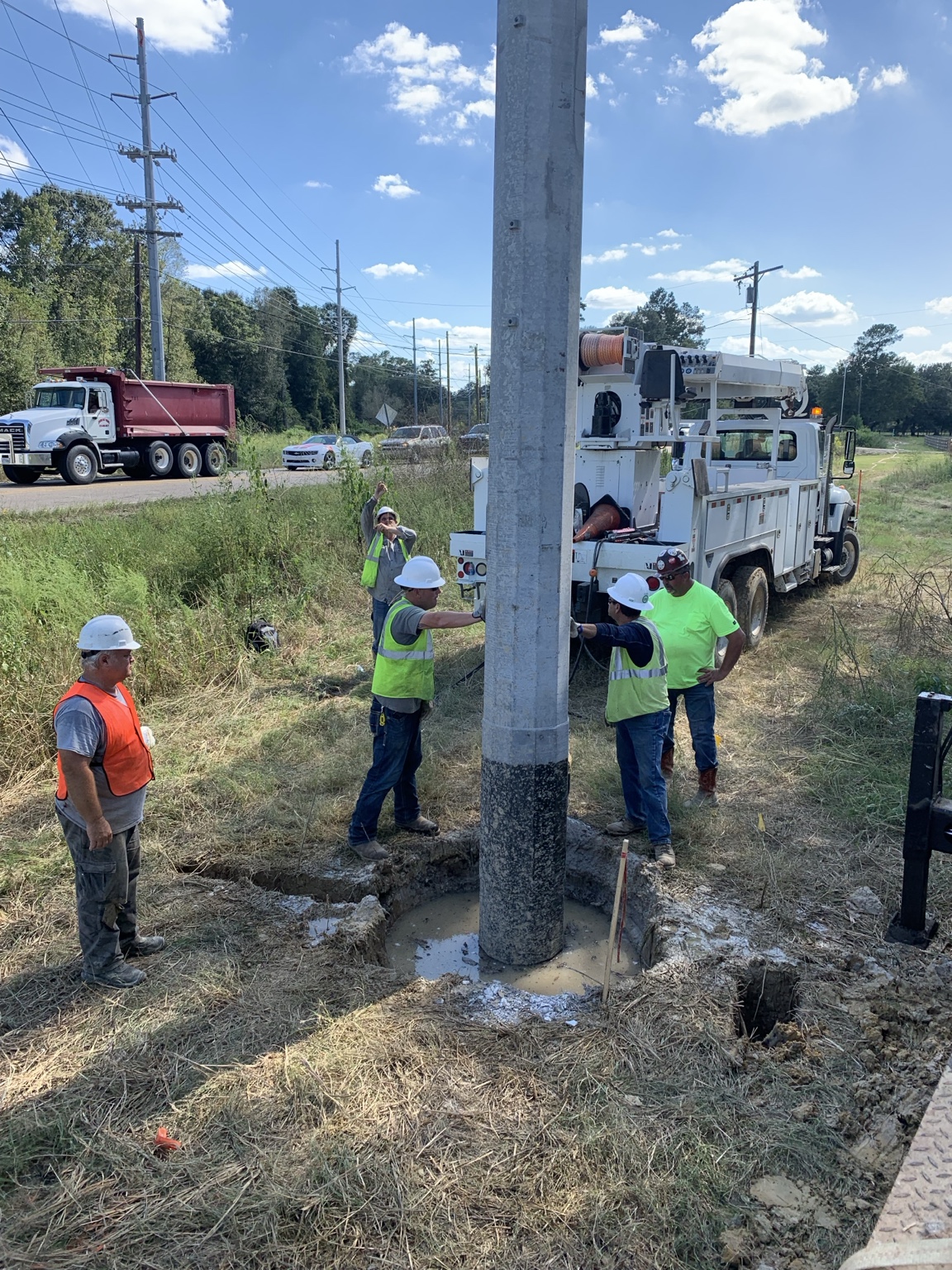
Utility & Infrastructure Support
Foundations, direct-burial structure support, reinforcing and embedded-item handling, and related field services within the assigned scope.
Infrastructure details →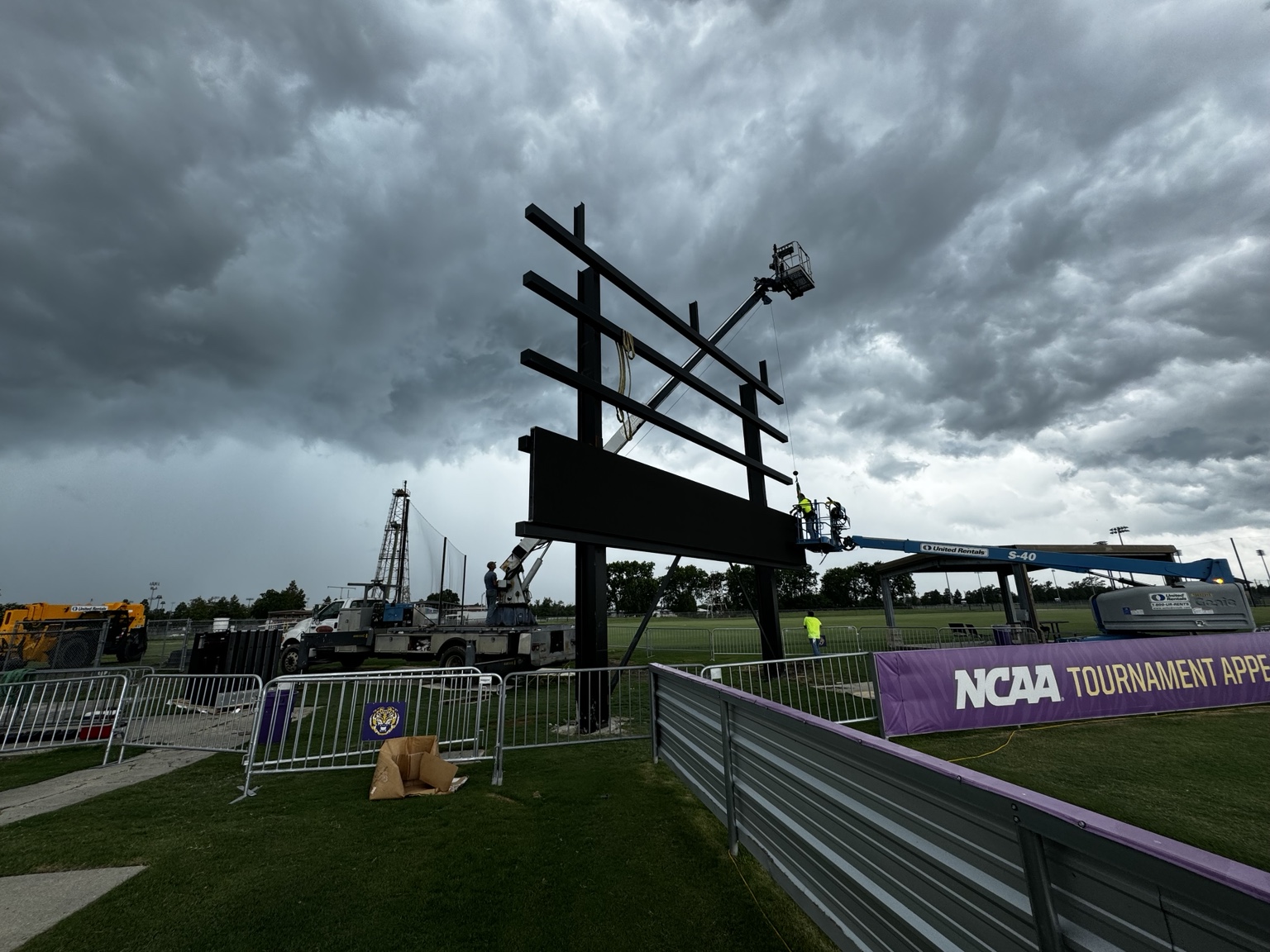
Poles, Signs & Structures
Foundation construction, handling, setting support, repair, relocation, or removal for engineered pole and sign systems.
Structure details →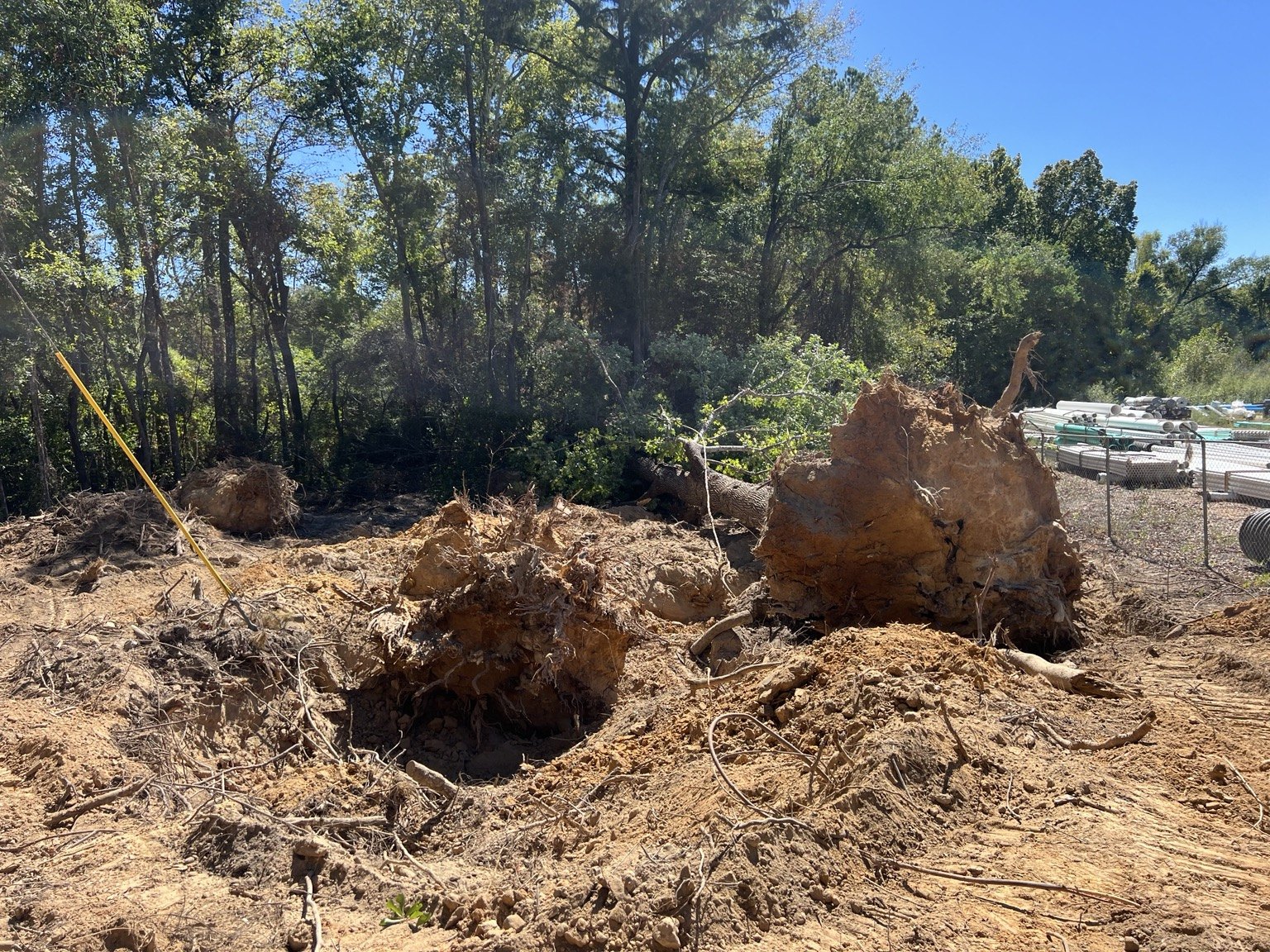
Demolition & Removal
Structure demolition, controlled dismantling, sign removal, slab and foundation removal, hauling, recycling, and cleanup when contracted.
Demolition details →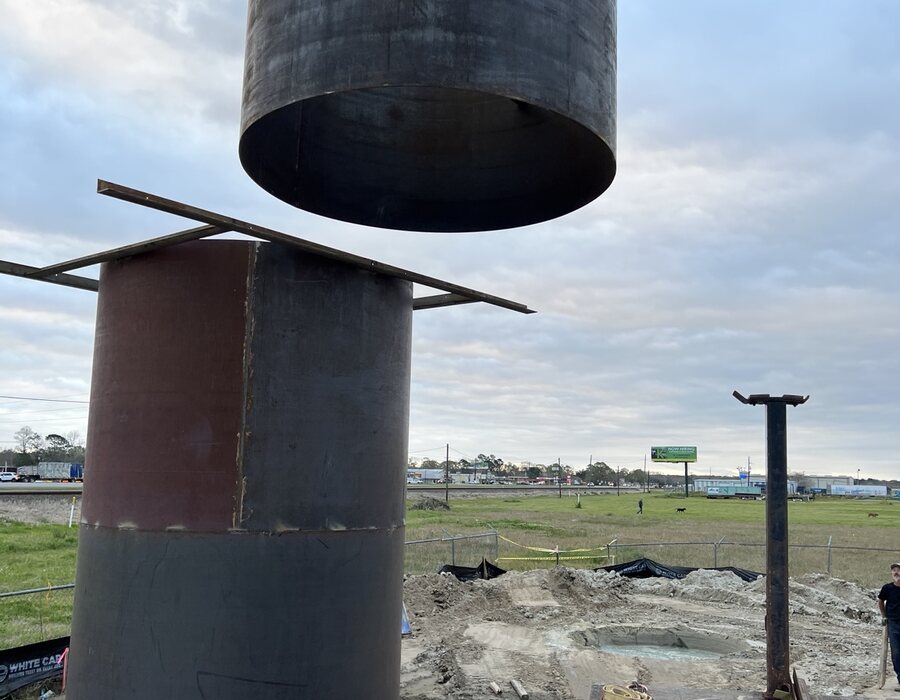
Equipment Services
Operator-supported drilling, lifting, material handling, pole and steel support, and project-specific equipment resources.
Equipment details →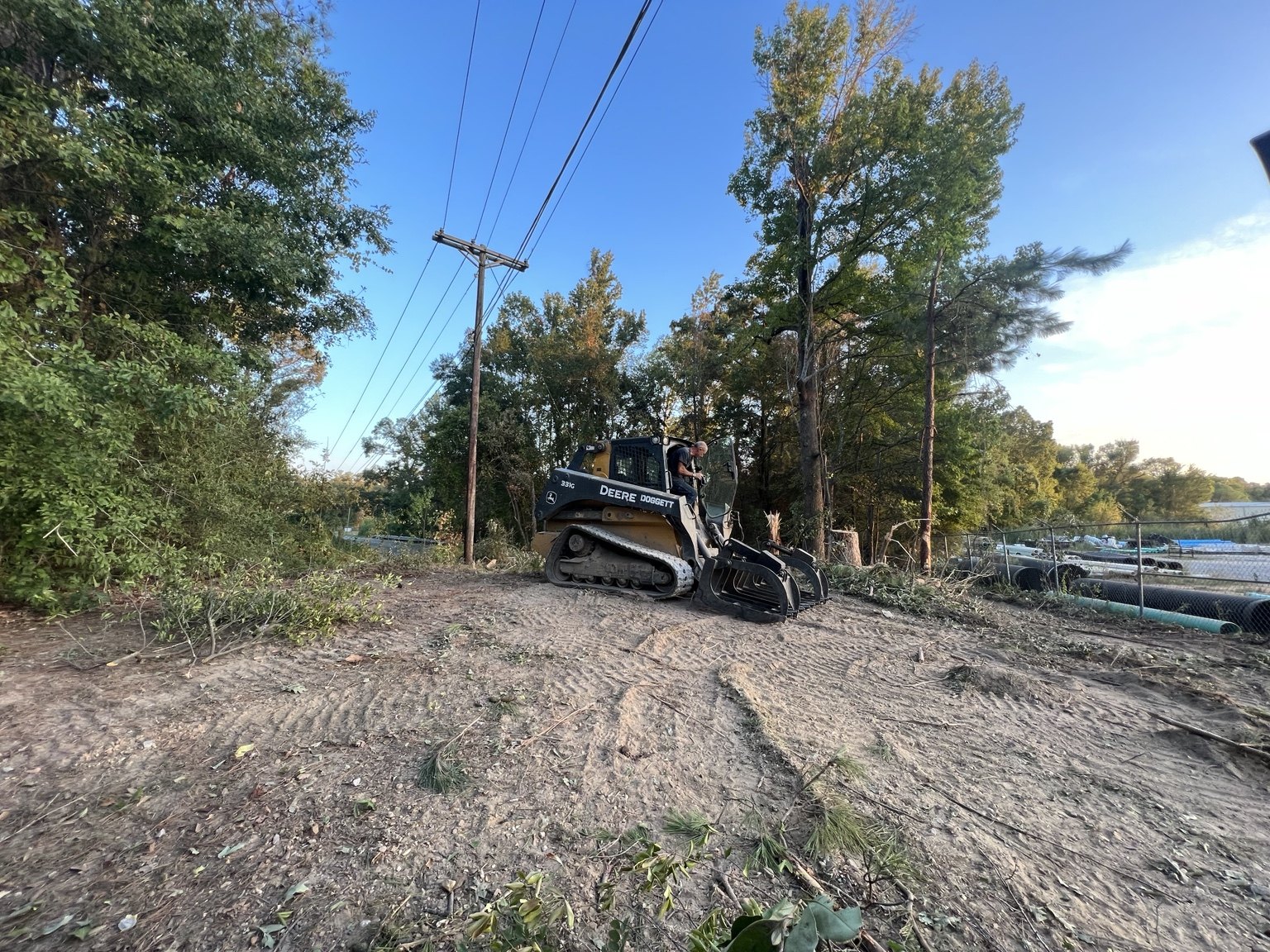
Site & Access Preparation
Clearing, debris removal, access and work-area preparation, excavation support, grading, hauling, and cleanup within the defined site scope.
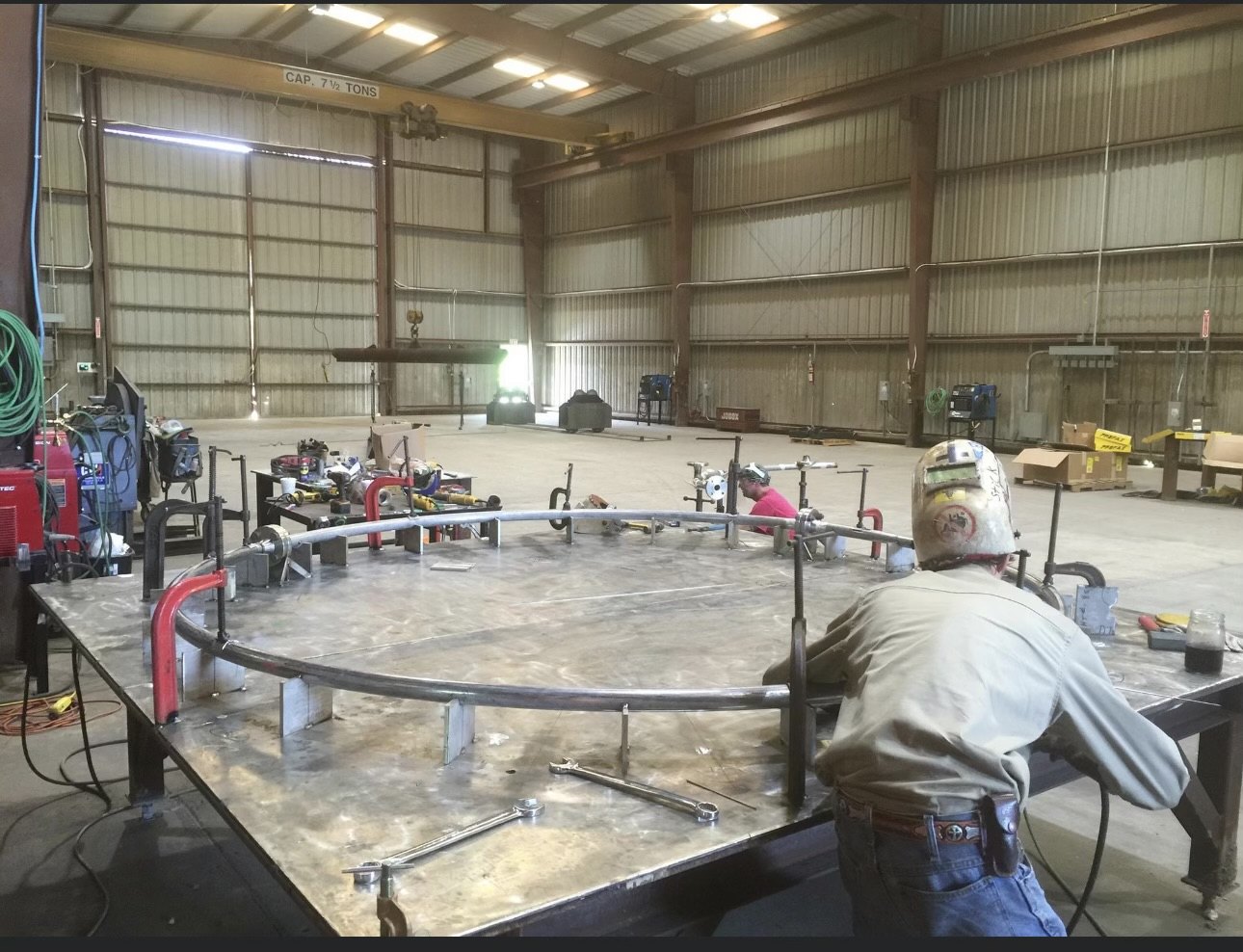
Fabrication & Welding
Project-specific steel fabrication, field fitting, welding, repair, and modification based on approved drawings and requirements.
Fabrication details →
Specialty Field Work
Practical support for unusual structures, difficult access, phased work, operating sites, and one-off assignments requiring combined capabilities.
Specialty details →From Solicitation to Closeout
Review the whole requirement—not one bid item.
Public projects often connect technical scope, administrative requirements, site operations, safety, schedule, documentation, and payment procedures. Those requirements are reviewed together before Auger accepts the work.
- 01
Bid Documents
Plans, specifications, addenda, bid forms, alternates, unit prices, schedules, and submission requirements.
- 02
Scope Alignment
Work limits, quantities, materials, exclusions, allowances, interfaces, utility responsibilities, and final condition.
- 03
Field Planning
Access, traffic, public exposure, equipment positions, utilities, lifting, soil and groundwater, staging, and surrounding operations.
- 04
Execution & Coordination
Schedule, inspections, testing, submittals, daily coordination, changes, documentation, and communication with the controlling authority.
- 05
Closeout
Punch-list work, required records, cleanup, restoration, acceptance, and project-specific closeout documents.
Representative Public Applications
Built around the
engineered requirement.
Each project is evaluated from its own drawings, site conditions, procurement requirements, and division of responsibility. These are capability areas—not claims of a particular government award.
Foundations for tanks, equipment, utility structures, poles, and other engineered systems.
Drilled foundations and specialty field support for bridge, roadway, lighting, sign, and related infrastructure.
Building foundations, demolition, site preparation, equipment support, structural handling, and specialty construction.
Foundations and field support for lighting, signs, poles, structures, equipment, and facility improvements.
Responsibility Boundaries
State who owns every requirement.
Clear responsibility reduces gaps between the owner, engineer, general contractor, utility, inspector, testing agency, subcontractors, and field crew.
Provided by the project engineer or an independently retained professional when required; Auger does not imply in-house design responsibility.
Assigned in the proposal, including benchmarks, control, verification, tolerances, and correction responsibility.
Location, status, isolation, required procedures, clearances, outages, and authority confirmed for the actual site.
Agency, frequency, notice, access, acceptance criteria, reporting, and corrective-process responsibilities established before work.
Permit holder, fees, licenses, bonds, insurance, labor requirements, certified records, and other solicitation terms reviewed project by project.
Backfill, compaction, grading, paving, landscaping, cleanup, punch list, documentation, and final acceptance defined in writing.
Municipal Project Safety
Protect the crew,
public, and operating site.
Municipal work may place construction beside traffic, pedestrians, utilities, public facilities, occupied sites, other contractors, and scheduled public operations. The field plan connects site-specific hazards to access, equipment, lifting, excavation, work zones, communication, and changing conditions.
Public separationUtility coordinationTraffic & accessEquipment zonesOther-trade interfacesStop-work authority
Written job-safety analyses and site-specific safety plans are developed when required by the owner, controlling contractor, site, or conditions. Project-specific qualifications and procedures are verified before work begins.
Before Auger Prices the Work
Send the complete solicitation package.
Incomplete documents can hide scope interfaces, administrative obligations, testing, schedule constraints, allowances, alternates, and closeout requirements that affect the work.
Technical
Plans, specifications, geotechnical information, schedules, details, quantities, addenda, and approved substitutions.
Administrative
Bid forms, contract terms, insurance, bonds, permits, licenses, labor requirements, taxes, retainage, and payment procedures.
Site & Operations
Access, utilities, traffic, occupied areas, public exposure, working hours, outages, laydown, staging, and restoration.
Quality & Closeout
Submittals, inspections, testing, records, daily reporting, as-builts, warranties, punch list, and acceptance.
Questions & Answers
Frequently asked questions
Can Auger review public-agency and prime-contractor work?
Yes. Auger can evaluate municipal, state, federal, and other public work as appropriate to the solicitation, qualifications, and assigned scope.
What should an agency or prime contractor send?
Include the solicitation, plans, specifications, addenda, bid deadline, schedule, desired scope, and applicable licensing, insurance, bonding, safety, and closeout requirements.
Is a capability statement available?
Yes. The one-page capability statement is linked from the homepage and can be downloaded or printed. Current qualification documents can be discussed directly with Brad during prequalification.
Have a different question? Contact Brad or read the general FAQ.
Request Municipal Pricing
Send the plans,
specifications, and bid requirements.
Auger will review the requested scope, project obligations, field conditions, safety requirements, schedule, exclusions, and information needed for accurate pricing.
Include when available
- Complete plans, specifications, and current addenda
- Bid forms, alternates, unit prices, and proposal requirements
- Geotechnical, utility, survey, and existing-condition information
- Project schedule, phasing, working hours, and milestones
- Access, traffic, public-separation, and operating-site requirements
- Inspection, testing, submittal, and documentation requirements
- Insurance, bond, permit, license, and labor provisions
- Cleanup, restoration, closeout, and acceptance requirements